
TL;DR

Get home appliances delivered free with Prime
- Fast, free delivery on millions of items
- Prime Video, Amazon Music and more included
- Member-only deals all year
A Hunker report features Jazzy of JH Photomum turning an empty sardine can into a hanging miniature display with craft-stick shelves and tiny decorations. The project is a DIY idea, not a reported product launch; sharp edges, outdoor weather protection and secure hanging are practical considerations.
A Hunker report describes how Jazzy, creator behind JH Photomum, repurposed an empty sardine can as a hanging miniature display, adding small shelves and tiny decorative objects. The project offers a way to reuse a food tin as indoor or outdoor decor, though the source presents it as a craft idea rather than a commercial product or independently tested durability claim.
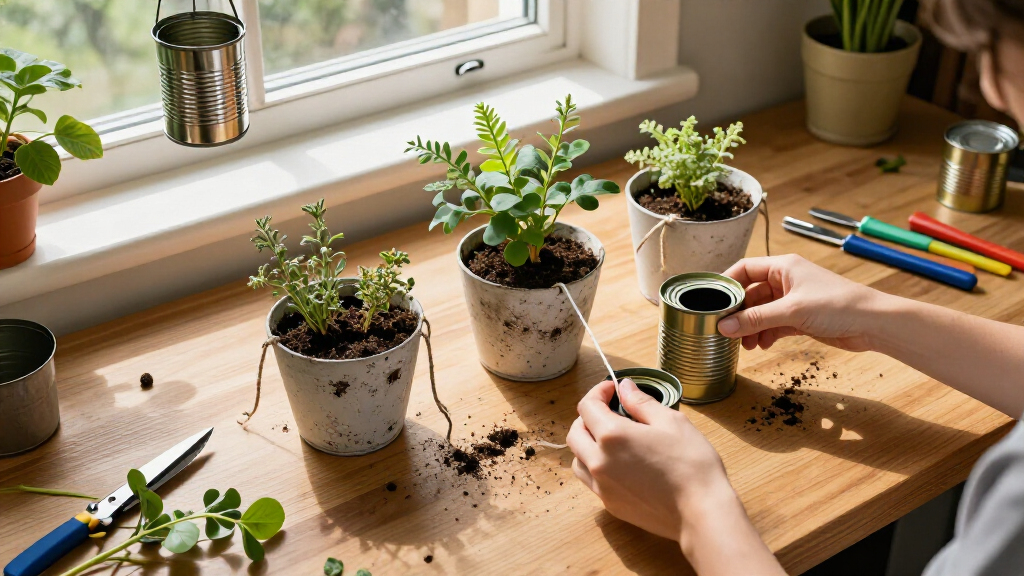
In the example, Jazzy used craft sticks to make shelves inside the can, then arranged miniature pumpkins, a lamp and other small trinkets. The can acts as a frame for the scene. The report suggests dollhouse accessories or accents shaped from air-dry clay as other options, with glue used to hold the pieces in place.
The instructions begin with washing the empty tin in warm, soapy water to remove food residue. Hunker cautions that the edges may be sharp and advises careful handling; pliers can be used to crimp sharp areas. Paint can refresh the inside and outside, while patterned paper or an image can form a backdrop. Craft sticks or narrow scraps of wood can be cut to fit and glued in as shelves.
For hanging, the report suggests string, twine or ribbon, attached by punching holes near the top or gluing the hanger around the can’s edge. It recommends applying sealant for outdoor use, especially where the display will be exposed to weather. Multiple cans can be joined or hung together, but the source does not give weight limits, specific adhesives or tested guidance for outdoor exposure.
A Small-Scale Route to Reuse
The project turns a container that might otherwise be recycled into a small display, giving readers a low-material craft option using an item already at home. It also offers room to personalize the finished piece with paint, paper, handmade clay accents or small ornaments rather than buying a ready-made decoration.
That reuse comes with practical limits. Sardine cans are compact, so the contents must be small and light, and a glued hanger may not suit every surface or location. Outdoors, moisture and changing weather can affect paper, wood, paint and glue. The report recommends sealant, but does not establish how long a finished piece will last or whether it can withstand all conditions.
As an affiliate, we earn on qualifying purchases.
How the Can Becomes a Display
The source frames the idea as one example of upcycling food packaging. Its central design choice is to use the can’s shape as a shallow frame, with shelves creating levels for a miniature scene. The method is flexible: a single tin can hold one vignette, while several cans can be arranged side by side or joined into a larger display.
Hunker also suggests painting or decorating the tin’s interior before adding shelves, and using tiny store-bought objects or handmade pieces. For an outdoor variation, it proposes decorating cans with numbers from a street address and hanging them in sequence. These are suggestions in the report, not instructions tested for safety or long-term performance.
“She created little shelves inside using craft sticks and decorated them with mini pumpkins, a lamp, and other tiny trinkets.”
— Hunker, describing Jazzy of JH Photomum’s project
As an affiliate, we earn on qualifying purchases.
Durability and Hanging Limits
The report does not specify the can’s dimensions, the finished display’s weight, or how much weight a particular hanger or adhesive can support. It also does not identify a sealant or describe performance after prolonged exposure to rain, sun or temperature changes. Readers should treat the outdoor version as a craft suggestion, not a weatherproofing guarantee.
It is also unclear whether the featured can was modified with tools beyond those described or how its edges were checked after crimping. The source advises care but provides no formal safety testing or product recommendations. A finished piece’s suitability will depend on its construction, chosen materials and hanging location.
weatherproof sealant for outdoor crafts
As an affiliate, we earn on qualifying purchases.
As an affiliate, we earn on qualifying purchases.
Prepare, Decorate and Hang Carefully
The source provides a sequence rather than a scheduled next development: clean the empty can, address sharp edges, decorate its interior, install shelves, secure the miniatures, then attach a hanger. Anyone making the project should check that decorations and the hanger are firmly attached before displaying it, and keep the tin away from places where a falling object could injure someone.
For an outdoor display, use materials and sealant appropriate to the location and inspect the piece periodically for loosened glue, damage or corrosion. The report does not say whether Jazzy plans further versions or whether additional instructions will be published. The next step for readers is to adapt the design to their own materials and assess whether the finished piece is secure for its intended setting.
small craft shelves for DIY projects
As an affiliate, we earn on qualifying purchases.
As an affiliate, we earn on qualifying purchases.
Key Questions
What did Jazzy make from the sardine can?
According to Hunker, Jazzy of JH Photomum added craft-stick shelves and small decorations, including miniature pumpkins and a lamp, to make a hanging display.
How should I prepare the can?
Wash it in warm, soapy water to remove residue and handle it carefully because the edges may be sharp. Hunker says pliers can be used to crimp sharp areas; inspect the tin before continuing.
Can the decor go outside?
The report suggests using a sealant for outdoor displays, particularly in exposed areas. It does not specify a product or guarantee performance in particular weather conditions.
How can the can be hung?
Hunker suggests string, twine or ribbon, attached through holes near the top or glued around the can’s edge. The source does not provide a weight rating, so check that the hanger and attachment are secure before displaying it.
Source: rss
Cold & flu season Picks
humidifiers
As an affiliate, we earn on qualifying purchases.