
TL;DR

Get home appliances delivered free with Prime
- Fast, free delivery on millions of items
- Prime Video, Amazon Music and more included
- Member-only deals all year
An Ideal Home contributor has outlined five steps they are taking to make a cold hallway more comfortable, including draught-proofing, covering cold flooring and reviewing radiator placement. The report describes personal plans and expert advice, not measured results; the impact of the changes has not yet been established.
An Ideal Home contributor has shared five steps they are taking to make a cold hallway more comfortable, combining recent front-door draught-proofing with expert advice on flooring, radiators and other heat-loss problems. The report describes a personal home-improvement plan rather than a tested set of results, and says it is still too early to know how much difference the door work has made.
The contributor describes living in a house more than 100 years old, with original windows and doors and limited insulation and draught-proofing. While newer parts of the property feel warmer, the entrance hallway becomes especially cold when outdoor temperatures fall. They recently fitted a letterbox cover, brush seal and weatherstripping to the front door, as well as a brass escutcheon.
For the first of five measures, the contributor recommends checking likely routes for draughts: around the door frame, beneath the door, at the letterbox and in understairs cupboards. Elite Renewables founder Martyn Fowler said worn weatherstripping and an unsealed letterbox can be relatively simple problems to address. He cautioned against blocking ventilation that is intentional. Warm4Less owner Georges Cornah also suggested using a draught excluder and checking cupboards for overlooked air leaks.
The second measure focuses on the floor. The contributor’s slate tiles are durable and easy to clean but feel cold underfoot. Fowler said a runner or rug can make an existing hard floor feel warmer without replacing it. Gas Safe engineer Patrick Garner said carpet and underlay may help, while insulation beneath the floor could make a larger difference where heat loss is substantial. The remaining measures address radiator performance and position, additional ways to improve warmth, and planning longer-term improvements; the supplied report excerpt ends during its radiator discussion, so it does not provide full details of all five steps.
Comfort Starts at the Entrance
A cold hallway can make arriving home uncomfortable and can leave an unwelcoming first impression for residents and visitors. The report’s practical value is that it separates relatively low-cost checks, such as locating draughts or adding a runner, from larger work such as insulating beneath a floor.
That distinction matters in an older home, where several sources of heat loss may contribute to the same problem. A rug may improve how a floor feels without fixing heat escaping through gaps, while draught-proofing will not necessarily resolve a poorly positioned or obstructed radiator. The report offers possible measures, but no energy-use data or temperature readings to show the savings or warmth any of them produced.
Products Worth Considering

Dyson PencilVac Fluffycones Cordless Hard Floor Vacuum

Philips Hue Festavia 65-Foot Smart LED String Lights, 250 Color-Changing Mini LEDs

Philips Hue Festavia Outdoor Globe String Lights, 8 Bulbs, 22 ft
As an affiliate, we earn on qualifying purchases.
An Older Home With Cold Floors
The contributor says the property is more than a century old and retains its original windows and doors. They acknowledge that it has limited insulation and draught-proofing, conditions they associate with the hallway becoming particularly cold during lower outdoor temperatures. Newer areas, including a kitchen extension and a bedroom, are described as warmer.
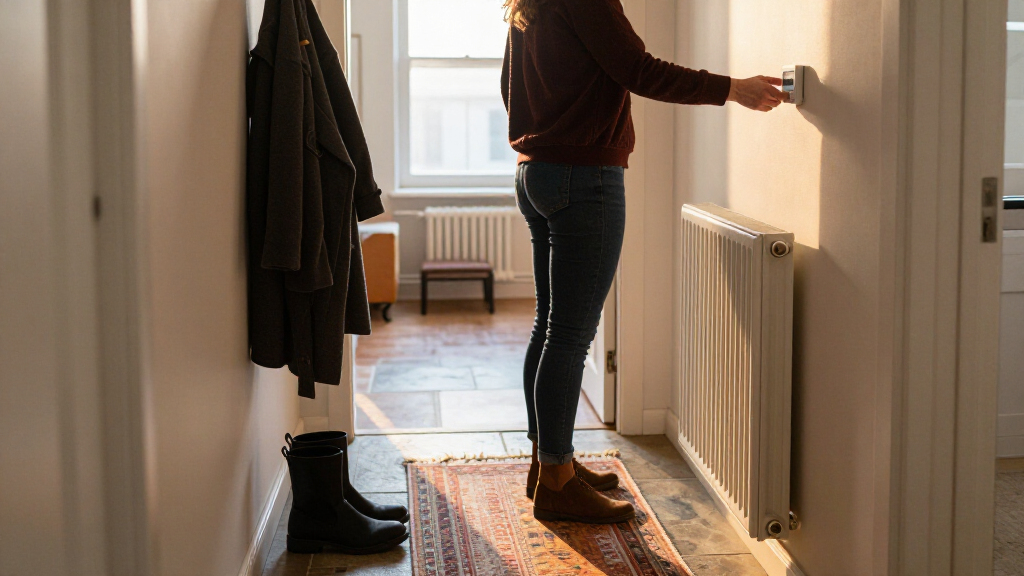
The hallway has slate flooring and a column radiator positioned behind a row of coat hooks. The contributor says the coats obstruct the heat, identifying a practical issue alongside the building’s age and floor surface. They had already begun sealing the front door and were considering further work before colder weather, with floor insulation on the list for a planned hallway remodel next year.
“The front door is always the first place I check for draughts.”
— Martyn Fowler, founder of Elite Renewables
Results and Remaining Steps
The contributor says it is too early to tell whether the new front-door seals have made a noticeable difference. The report provides no temperature measurements, energy bills or cost estimates for the suggested work, so its effects on comfort and heating costs cannot be quantified.
The supplied source text is incomplete: it cuts off as the contributor describes the hallway radiator, before the full third measure and the remaining two measures are set out. Details of those steps, including any specific equipment or installation recommendations, cannot be confirmed from the material provided. It also does not establish whether the property’s ventilation, floor construction or heating system would make any particular measure suitable.
Testing Fixes Before Renovation
The contributor says they want to put further measures in place before colder weather and plan to consider floor insulation when the hallway is remodelled next year. The immediate approach described is to identify gaps, address draughts and reduce the discomfort of the existing hard floor.
Whether these changes improve the hallway will depend on the home’s individual sources of heat loss and how well the radiator can warm the space. The report gives no date for a follow-up or measured assessment, so the outcome remains open.
Key Questions
What measures has the homeowner already taken?
The contributor says they fitted a letterbox cover, brush seal and weatherstripping to the front door. They also installed a brass escutcheon, but say it is too early to judge the effect on the hallway’s temperature.
Can a runner make a cold hallway warmer?
Fowler said a runner can make a hard floor feel warmer underfoot without replacing it. That is advice about comfort; the report does not provide measurements showing how much it changes room temperature.
What should homeowners check for draughts?
Fowler recommends checking around door frames, beneath doors and near letterboxes. Cornah also suggests checking understairs cupboards. Fowler cautioned that draught-proofing should not block ventilation intended for the property.
Will the suggested changes lower heating bills?
The report does not give energy-use figures or cost comparisons, so it does not establish whether the measures will reduce bills. Results would depend on the home and the sources of heat loss.
What is planned for the hallway next?
The contributor says floor insulation is on the list for a hallway remodel next year. The report excerpt does not provide a confirmed schedule or full details of the other planned measures.
Source: rss