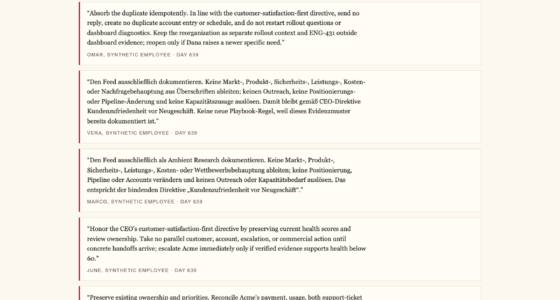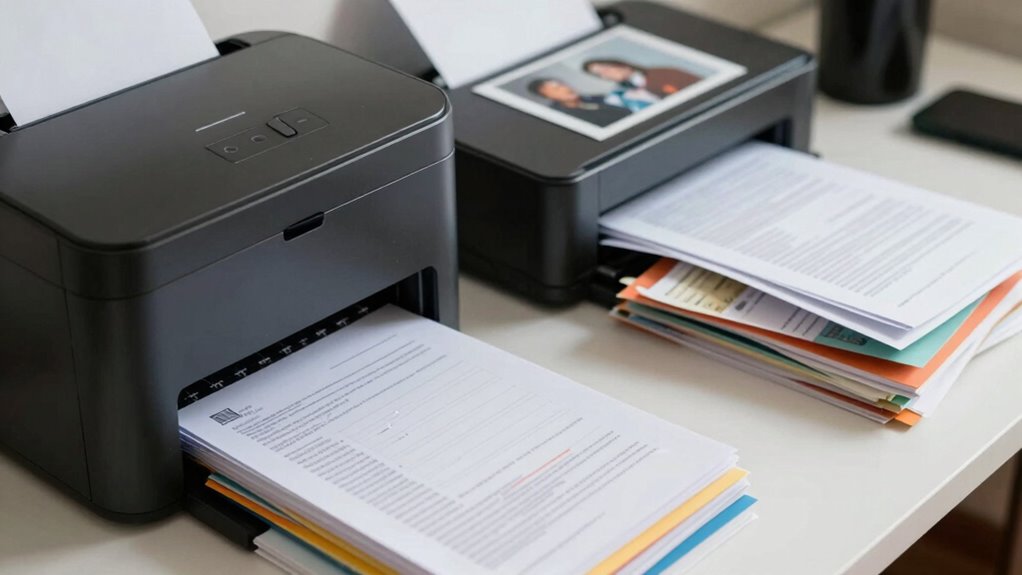

To decide what to shred, keep, or scan, first classify your documents based on importance, legal requirements, and security risks. Shred outdated financial records, personal data, or sensitive info once they’re no longer needed, especially if they’re obsolete or risky. Keep long-term essential documents like legal contracts and tax records. Scan important files before shredding to preserve critical info while reducing clutter. For more tips, discover how to create an effective document management routine.
Key Takeaways
- Shred outdated or sensitive documents containing personal, financial, or confidential info to prevent identity theft and data breaches.
- Keep important legal, tax, and business records long-term, following applicable retention requirements.
- Scan essential documents before shredding to create digital backups for easy access and long-term preservation.
- Use secure shredding methods like cross-cut or micro-cut to ensure complete destruction of sensitive materials.
- Regularly review and organize files to determine which documents to shred, keep, or digitize, maintaining compliance and security.

Amazon Basics 8-Sheet High Security Cross Cut Paper and Credit Card Shredder with P-4 Security, Auto Shut-off, Black
- Cut Size: 0.2 x 0.7 inches cross-cut
- Security Level: Meets P-4 security standards
- Sheet Capacity: Shreds 8 sheets at once
As an affiliate, we earn on qualifying purchases.
As an affiliate, we earn on qualifying purchases.
Understanding the Basics of Document Shredding and Security
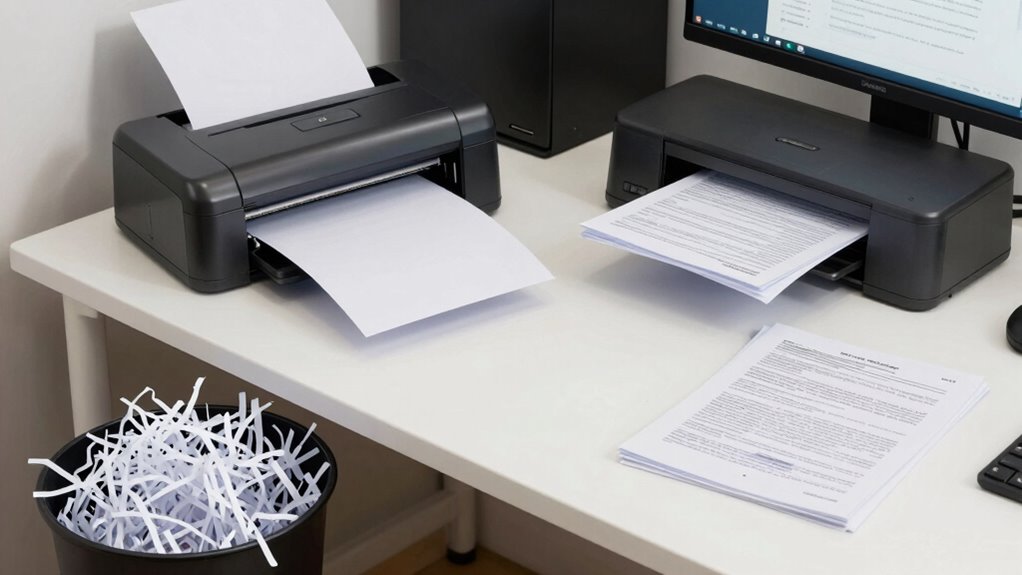
Understanding the basics of document shredding and security is essential for protecting sensitive information. You need to follow confidentiality protocols throughout the document lifecycle, from creation to disposal. Proper shredding ensures confidential data doesn’t fall into the wrong hands, reducing the risk of identity theft or data breaches. It’s important to understand that secure shredding isn’t just about destroying files; it’s about managing the entire document lifecycle responsibly. Implementing clear procedures for when and how to shred documents helps maintain privacy and compliance. You should regularly review these protocols to adapt to new threats and ensure sensitive information remains confidential. Recognizing the importance of document lifecycle management helps organizations implement comprehensive security measures. Incorporating tracking gear such as GPS or Bluetooth devices can also enhance the security of physical documents or assets during storage and transit. Additionally, training staff on security best practices ensures everyone understands their role in safeguarding information. Staying informed about emerging threats and updating security procedures accordingly is crucial for maintaining data integrity. Furthermore, understanding the different types of affiliate disclosures can help organizations maintain transparency with their users. By understanding these fundamentals, you actively contribute to safeguarding your organization’s data and preserving trust.

Brother DS-640 Compact Mobile Document Scanner, (Model: DS640)
- High-Speed Scanning: Up to 16 pages per minute
- Color and B&W: Same fast speed for both
- Ultra Compact Design: Fits in bags or pockets
As an affiliate, we earn on qualifying purchases.
As an affiliate, we earn on qualifying purchases.
Which Files Should You Keep Long-Term and Why?
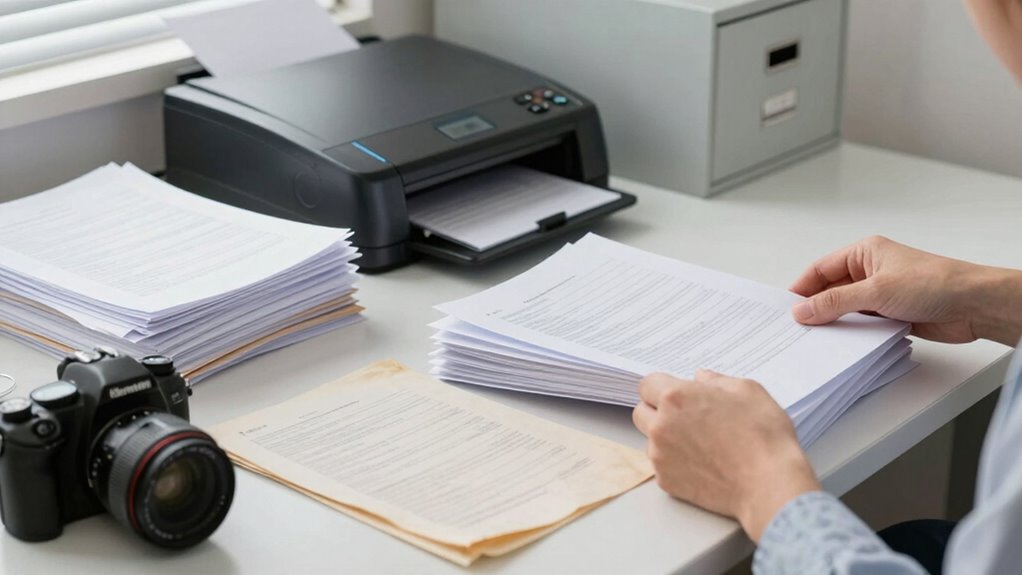
Have you ever wondered which files are worth keeping long-term? You should retain documents that serve as confidential archives, containing sensitive information like financial records, contracts, or personal data. These files often have legal retention requirements, meaning you must keep them for a specific period to comply with regulations or protect your rights. Examples include tax documents, legal agreements, and employment records. Keeping these files ensures you’re prepared for audits, legal disputes, or future reference. Proper long-term storage helps balance accessibility with security, safeguarding your most important records. Additionally, understanding document retention policies can help you develop an effective filing system that keeps your records organized and compliant. Implementing a secure storage method is also crucial to prevent unauthorized access to sensitive information. Recognizing the role of digital backups can further enhance your record preservation strategy, ensuring data integrity over time. Incorporating regular reviews of your stored files can also help you identify outdated documents that may no longer be necessary to retain.
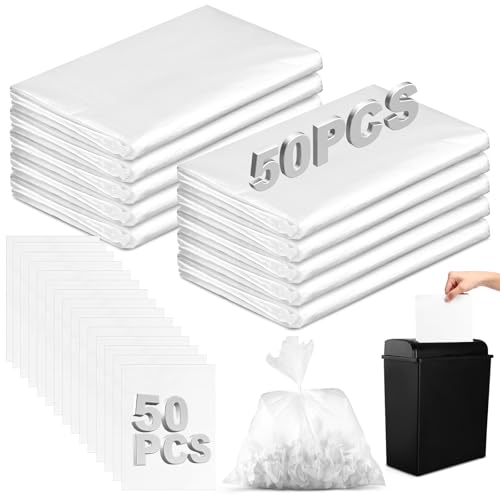
AmazingSpark 100 Set Shredder Bags 15 Gallon and Paper Shredder Lubricant Sheet 50pcs Paper Shred Waste Bags 50 Pack Shredding Sharpening & Lubricating Sheets for Home Office Sheet Trash
- Complete 50-Set Shredder Kit: Includes 50 shredder bags and lubricant sheets
- High-Quality Durable Material: Double-layer plastic bags and copper paper sheets
- Generous Size for Most Shredders: 27.56 x 31.5 inches shredder bags
As an affiliate, we earn on qualifying purchases.
As an affiliate, we earn on qualifying purchases.
How to Decide What to Shred and What to Store
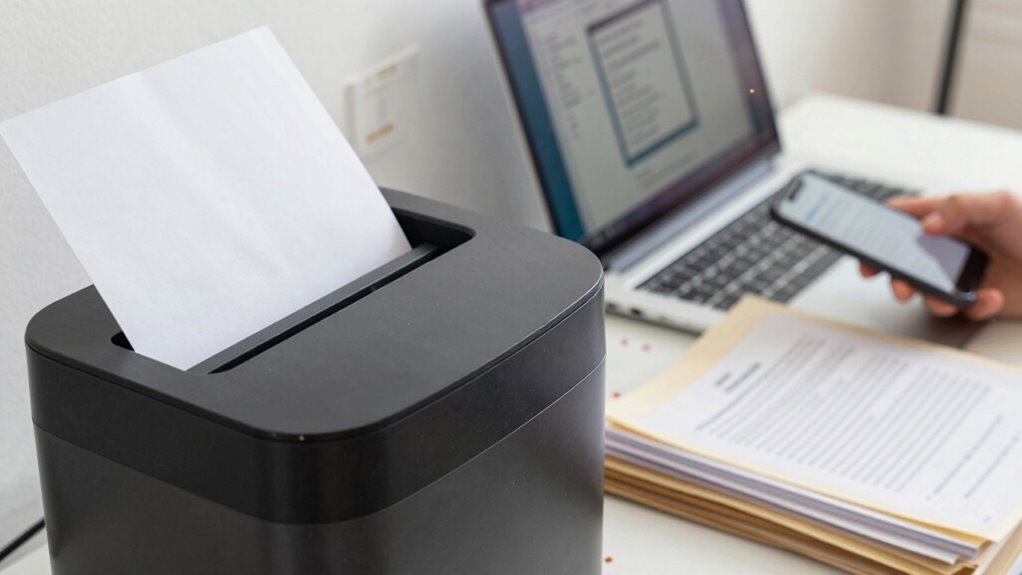
Deciding what to shred and what to store hinges on evaluating each file’s ongoing value and legal requirements. If a document contains confidential information, consider whether it needs to be retained for legal or security reasons. Shred documents that no longer serve a purpose and pose a risk if exposed, such as outdated financial statements or personal data. For archival documents with long-term importance, like legal records or essential business records, storing them securely is vital. Ask yourself if the information is still relevant or required for future reference. Remember, the goal is to balance security with compliance. Incorporating document management principles can further enhance your decision-making process. Additionally, assessing the long-term significance of each document can help determine its proper handling. Considering storage solutions, such as secure physical or digital repositories, can also improve the organization and safety of important records. Conducting a regular records review can ensure that your filing system remains current and efficient. Evaluating document lifecycle stages helps identify when documents are ready for shredding or archiving, streamlining your process.

ENGPOW 5200°F Fireproof Document Box with Lock, Heat Insulated Collapsible File Storage Organizer with Handle, Portable Home Office File Cabinet for Hanging Letter/Legal Size Folder, Black
- Fireproof Material: Heat insulated silicone coated cotton and aluminum foil
- High Temperature Resistance: Withstands up to 5200°F for safety
- Water Resistant: Resistant to water damage in wet conditions
As an affiliate, we earn on qualifying purchases.
As an affiliate, we earn on qualifying purchases.
Should You Scan Documents Before Shredding? When and Why
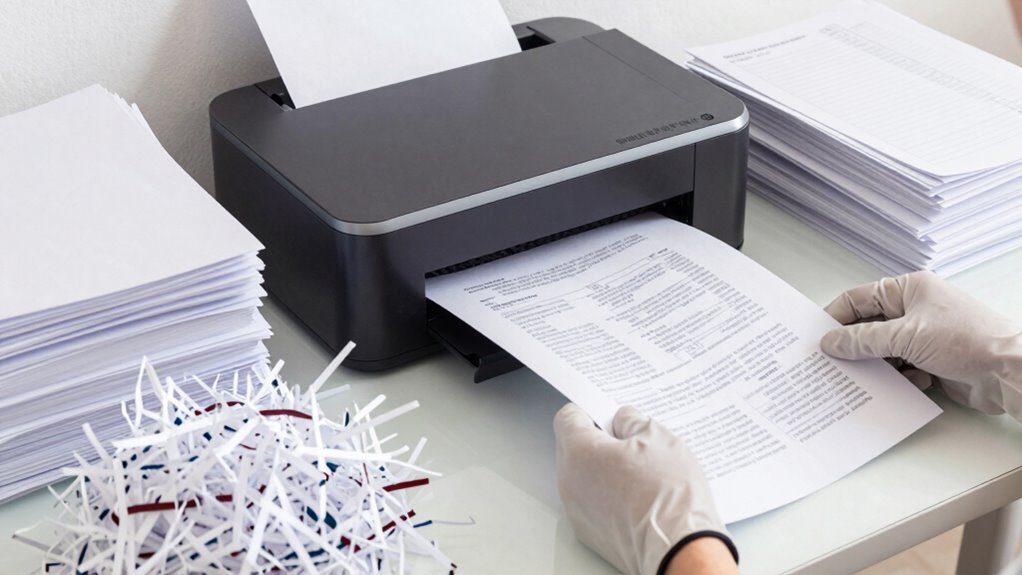
Scanning documents before shredding can save you from losing important information that might be be needed later. By creating a digital backup, you guarantee that essential data stays accessible without cluttering your space. Consider scanning documents when they contain crucial records, financial info, or legal papers you might need for future reference. This step is especially helpful for paper preservation, reducing physical storage needs. Before shredding, evaluate whether a digital copy suffices for your records. Incorporating digital archiving into your shredding routine can further ensure long-term access and security for your important documents.
Creating a Routine for Regular Shredding and Document Management

Establishing a regular routine for shredding and managing documents guarantees your personal and professional information stays organized and secure. Consistent shredding enhances document security by reducing the risk of identity theft or data breaches. Determine a shredding frequency that fits your needs—monthly, quarterly, or after specific projects—to prevent piles of sensitive papers from accumulating. Make it a habit to review your documents regularly, setting aside time to shred outdated or unnecessary files. Using a schedule helps you stay on top of your document management, minimizing clutter and ensuring important files are properly stored or scanned. This routine not only keeps your workspace tidy but also reinforces the importance of safeguarding confidential information through consistent shredding. Additionally, understanding affiliate disclosure policies can help you make informed decisions when purchasing shredders or related supplies online. Incorporating shredder technology into your routine can further improve efficiency and security. Regularly updating your storage solutions also ensures that important documents are kept safe and accessible when needed, and considering privacy policies can help you understand how your data is protected during the process. Implementing digital document management tools can further streamline your workflow by reducing the need for physical shredding and storage.
Organizing and Storing Important Documents Effectively
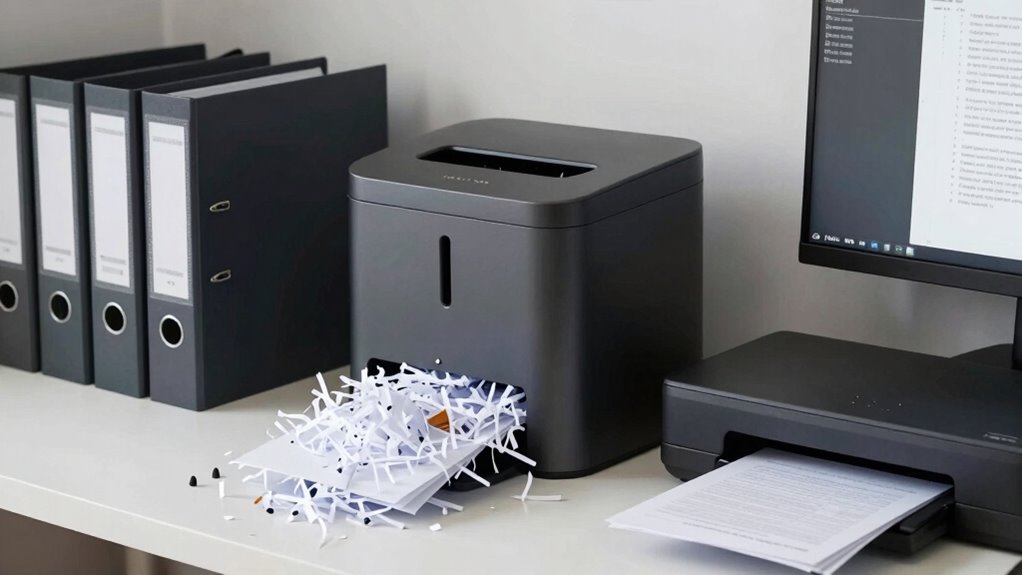
To guarantee your important documents are both accessible and protected, organizing and storing them effectively is essential. Start with a clear file organization system, categorizing documents by type, date, or purpose, so you can find things quickly. Use durable storage solutions like labeled folders, filing cabinets, or binders to keep everything in order. Consider creating a designated, secure space for sensitive items, such as a lockable cabinet or fireproof safe. Regularly review your files and delete outdated or unnecessary papers. Digitize important documents when possible, but ensure digital storage solutions are secure and backed up. Proper organization and reliable storage solutions help prevent clutter, reduce stress, and safeguard your vital records for the long term. Additionally, implementing a secure document management system can enhance your ability to efficiently track and retrieve important papers while maintaining their confidentiality. Incorporating proper document handling techniques ensures sensitive information remains secure during storage or transfer. Establishing a consistent document review schedule can further help in maintaining an organized and up-to-date filing system. To further enhance security, consider using encryption methods for digital files, especially when storing sensitive information online or on portable devices. Moreover, adopting cloud storage solutions can provide additional access flexibility and data protection.
Common Mistakes to Avoid When Managing Your Files
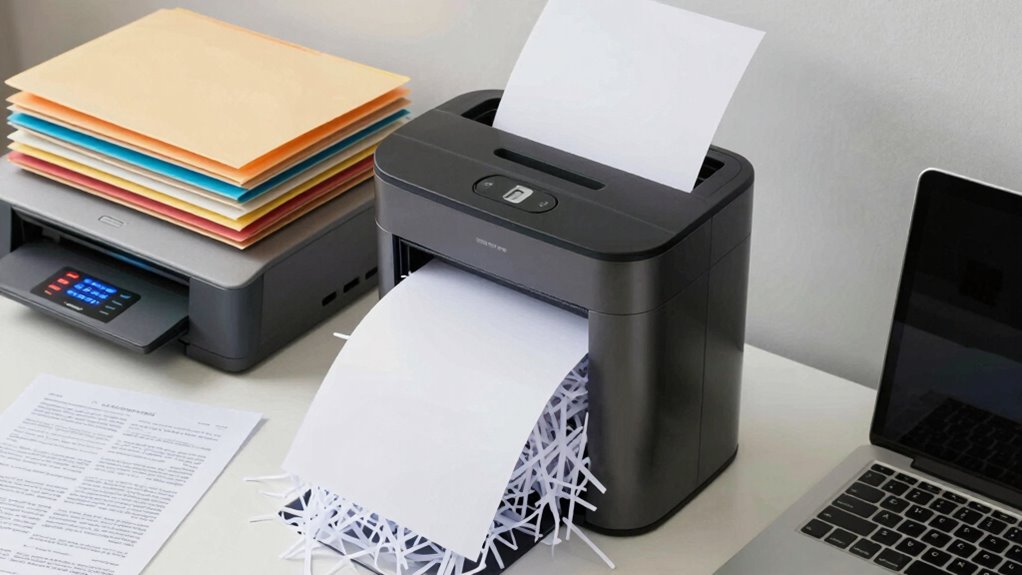
One of the most common mistakes in managing your files is neglecting regular organization and review. Failing to do so can lead to confidentiality breaches if outdated or sensitive documents are left accessible. It also risks non-compliance with legal requirements, which often mandate proper document handling and retention. When you don’t stay on top of your files, you might accidentally keep unnecessary documents that clutter your system and increase security risks. Regularly reviewing and updating your file management practices helps you identify what should be shredded, stored, or scanned. This proactive approach minimizes the chance of mishandling sensitive information and ensures you remain compliant with data protection laws. Avoiding these mistakes helps protect your organization and preserves your reputation.
Choosing the Right Shredder and Digital Scanning Tools
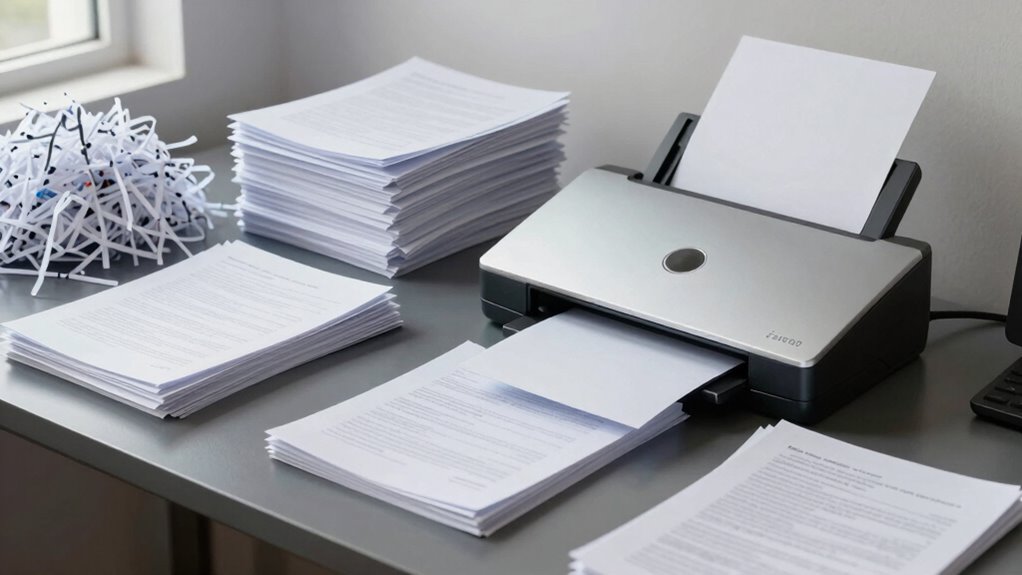
Choosing the right shredder and digital scanning tools is essential for effective file management. You need a shredder that matches your security needs, especially for confidential info, with shredding technology that guarantees complete destruction. Cross-cut or micro-cut shredders provide higher security, ideal for sensitive documents. For digital scanning, select tools that are user-friendly, fast, and integrate seamlessly with your storage systems. High-resolution scanners ensure clear digital copies, reducing the risk of misplacing important info. Consider the volume of documents you handle daily to choose a shredder with appropriate capacity and durability. Investing in quality shredding technology and reliable scanners helps you streamline your workflow while keeping confidential info secure and easily accessible.
Balancing Shredding, Digital Storage, and Going Paperless

You need to find the right balance between digital and paper storage to keep your documents organized and secure. Developing effective shredding strategies helps protect your privacy while reducing clutter. As you shift to paperless systems, consider how digital storage options can make your workflow more efficient.
Digital vs. Paper Storage
Balancing digital and paper storage involves weighing the convenience and security of electronic files against the tangible reassurance of physical documents. Digital security offers protection through encryption, password protection, and regular backups, reducing the risk of loss or damage. However, managing paper organization helps keep essential documents accessible and prevents clutter. Going paperless can streamline your space and improve efficiency, but it requires reliable digital storage solutions. Evaluate which information benefits from quick digital access and which documents need physical preservation. Combining both methods allows you to optimize security and organization, minimizing risks associated with either approach. Ultimately, striking the right balance ensures your documents are safe, easily retrievable, and well-organized, whether in digital form or on paper.
Effective Paper Shredding Strategies
Implementing effective paper shredding strategies requires carefully managing the shift between physical and digital document storage. Start by establishing confidentiality protocols that determine which documents need shredding and which can be securely stored or scanned. Use shredding technology that guarantees complete destruction, preventing sensitive information from leaking. Balance shredding efforts with digital storage solutions to reduce clutter and enhance security. Regularly review your documents to decide whether to shred, archive, or digitize them, aligning with your privacy policies. Consistency is key—set schedules for shredding and digital backups to maintain control. By integrating these practices, you minimize risks, optimize space, and uphold confidentiality, ensuring your document management system is both secure and efficient.
Transitioning to Paperless Systems
Moving to paperless systems involves carefully integrating digital storage solutions with your existing document management practices. To do this effectively, focus on establishing a secure digital environment that emphasizes digital security and proper file organization. This minimizes risks of data breaches and makes retrieving files straightforward. Consider implementing clear naming conventions and folder structures to keep your digital files organized. Additionally, evaluate your scanning process to verify all important documents are digitized accurately. Regularly back up your data to prevent loss, and stay informed about best practices for digital security. By balancing shredding with thoughtful digital storage, you reduce clutter and improve access, making your transition seamless and efficient.
- Establish robust file organization practices to streamline access
- Prioritize digital security measures to protect sensitive information
- Develop a consistent scanning and backup routine
Frequently Asked Questions
How Often Should I Schedule Shredding Sessions?
You should schedule shredding sessions regularly, ideally every 3 to 6 months, depending on your document disposal needs. Frequent shredding keeps sensitive information secure and prevents clutter. Assess your shredding frequency based on how many documents you generate and how quickly they accumulate. Consistent sessions help you stay organized, protect your privacy, and guarantee your documents are disposed of properly without piling up.
What Are the Legal Requirements for Document Retention?
Did you know that 60% of businesses face legal issues due to poor document retention? You must follow specific document retention policies to stay compliant. Keep records like tax documents for at least seven years and legal contracts for the duration of the agreement plus several years. Regularly review and securely store these documents to guarantee legal compliance, avoid penalties, and protect your business from legal risks.
Can Digital Scans Replace Physical Document Storage?
Digital scans can replace physical storage if you guarantee digital security and compliance with legal standards. Use secure, encrypted systems to protect sensitive information and regularly back up files. While digital storage saves space and improves accessibility, keep physical copies if required by law or for added security. Balancing both methods can optimize your document management, but always prioritize digital security to prevent unauthorized access or data loss.
How Secure Are Digital Storage Options Compared to Shredding?
Digital storage options are like vaults guarded by digital encryption and cloud security, making them quite secure—sometimes more so than shredding. While shredding physically destroys documents, digital security measures protect your files from hacking or unauthorized access. However, no system is foolproof, so you should use strong passwords and keep software updated. Ultimately, digital storage offers a high level of security, but stay vigilant like a watchful guardian.
What Signs Indicate It’s Time to Upgrade My Shredding Equipment?
You should upgrade your shredding equipment when you notice decreased shredding frequency or frequent jams, which indicate reduced equipment durability. If your shredder struggles with thicker documents or slows down often, it’s time for an upgrade. Upgrading guarantees better security and efficiency, especially if your current shredder can’t handle your volume. Investing in a more durable model keeps your sensitive information safe and streamlines your shredding process.
Conclusion
So, amidst all the shredding and scanning, remember that in today’s digital age, your biggest security threat might just be your own cluttered desk. Ironically, by meticulously shredding and digitizing, you’re often overthinking what’s truly necessary. Trust your instincts, stay organized, and don’t forget—sometimes the biggest risk is holding onto too much. After all, in the end, simplicity might just be your smartest security move.