
To reduce kitchen waste sustainably without extra bins, start by understanding your waste patterns and setting decluttering goals. Use reusable containers and materials like glass jars or silicone bags to replace disposable options. Recycle by rinsing and flattening containers and repurpose common items into planters or organizers. Practice mindful storage and habits, such as composting scraps and avoiding unnecessary packaging. Keep everything organized and eco-friendly, and you’ll find sustainable waste reduction easier to maintain over time.
Key Takeaways
- Repurpose existing containers for storage and organization to minimize waste and avoid buying new bins.
- Implement composting using kitchen scraps and compostable bags to reduce organic waste without extra bins.
- Practice mindful shopping and inventory management to prevent excess purchases and food spoilage.
- Use reusable, multi-purpose storage solutions like glass jars and silicone bags to cut down on packaging waste.
- Sort and recycle recyclable materials properly to manage waste efficiently without additional waste bins.

DRKIO 6 Pack Glass Baby Food Storage Containers – 4 Oz Baby Food Jars with Lids Baby Food Maker Microwave Dishwasher Freezer Safe 100% Leak Proof BPA Free Reusable
PREMIUM BABY FOOD-GRADE MATERIAL: Prioritizing durability and baby health, our containers are crafted from superior, thicker food-grade glass…
As an affiliate, we earn on qualifying purchases.
As an affiliate, we earn on qualifying purchases.
Understand Your Kitchen Waste and Set Decluttering Goals

Before you begin decluttering, it’s important to understand what waste your kitchen produces. Food waste is a common issue, often ending up in trash bins unnecessarily. By tracking your food waste, you can identify patterns and reduce excess purchases. Exploring composting methods allows you to turn food scraps into nutrient-rich soil instead of trash. Setting clear decluttering goals helps you prioritize what to keep and what to discard, especially items that contribute to waste. Knowing how much food you throw away guides you in planning meals more efficiently, reducing waste at the source. composting methods also help you divert organic waste from landfills, further decreasing your ecological footprint. This understanding empowers you to make environmentally conscious choices, streamlining your kitchen and minimizing your ecological footprint. Starting with awareness sets the foundation for a sustainable decluttering process.

Annaklin Reusable Food Bags, 12 Pack 100% Silicone Food Storage Bags Stand Up Zip Lock Container, Freezer Microwave Oven Dishwasher Safe, 4 Medium 4 Small 4 Extra Small, Aqua
【SAFE & RELIABLE】Annaklin's silicone food storage bags are 100% food-grade, free from PVC, lead, chlorine, and BPA. Non-toxic,…
As an affiliate, we earn on qualifying purchases.
As an affiliate, we earn on qualifying purchases.
Identify Reusable Containers and Materials to Cut Waste
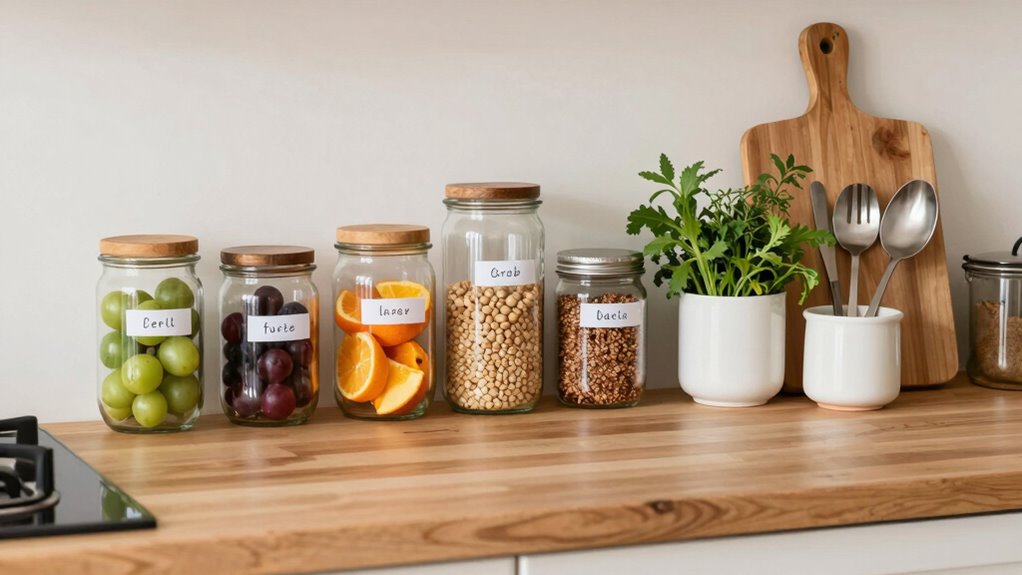
Start by recognizing reusable storage options like glass jars and silicone bags that can replace single-use containers. Choose eco-friendly packaging materials when shopping to reduce waste and plastic use. You can also repurpose common kitchen items, like turning jars into plant holders or utensils into drawer organizers, to keep waste out of landfills. Practicing mindful consumption helps reinforce the importance of making sustainable choices in your daily routine. Incorporating natural pools with eco-friendly filtration systems can further reduce chemical waste and promote sustainability in your backyard. Additionally, understanding the history of pinball machines highlights how traditional designs have evolved toward more eco-conscious manufacturing practices. Using durable survival gear like high-quality containers ensures longevity and reduces the need for frequent replacements, further minimizing waste. Paying attention to energy-efficient appliances can also cut down on unnecessary resource use and support your sustainable living goals.
Recognize Reusable Storage Options
To effectively cut waste in your kitchen, it is vital to recognize reusable storage options. Start by evaluating what you already have, such as glass jars, metal tins, and plastic containers that can be washed and reused. Look for eco friendly containers made from durable, non-toxic materials like silicone or stainless steel. These options not only reduce the need for single-use packaging but also help keep your food fresh longer. Consider repurposing existing items, like using old jars for pantry storage or storing leftovers in reusable silicone bags. Additionally, choosing sustainable textile care materials for storage containers can further reduce environmental impact by minimizing pollution and promoting durability. Being aware of large number conversions can help you better understand portion sizes and storage capacities, aiding in more efficient food management. Incorporating reusable storage solutions into your kitchen habits encourages a more sustainable lifestyle and reduces plastic waste. For example, selecting containers with multi-purpose designs allows for more versatile use and less clutter. Understanding the robot mower setups used in sustainable yard care can inspire innovative ways to manage outdoor spaces more efficiently and eco-consciously. By identifying versatile reusable storage solutions, you minimize waste and cut down on the constant cycle of buying and discarding disposable packaging. Making simple swaps like these promotes a more sustainable, clutter-free kitchen.
Select Eco-Friendly Packaging Materials
Have you considered how choosing the right packaging materials can substantially reduce kitchen waste? Opt for biodegradable packaging whenever possible, as it breaks down naturally and minimizes landfill impact. Look for compostable wrappers made from plant-based materials—they’re designed to decompose without leaving harmful residues. Reusable containers, like glass jars or stainless steel tins, are excellent alternatives to single-use packaging. They keep food fresh and can be used repeatedly, cutting down waste dramatically. When shopping, choose products packaged in eco-friendly materials that support your waste-reduction goals. By selecting biodegradable packaging and compostable wrappers, you help reduce plastic pollution and create a more sustainable kitchen environment. Incorporating proper waste management practices can further enhance your sustainability efforts. Using recyclable materials and practicing mindful disposal can make a significant difference in waste reduction. Making these small changes can lead to a big difference in your waste footprint. Additionally, understanding the types of eco-friendly packaging available can help you make informed choices. Discover trusted businesses and services near you to find eco-friendly packaging suppliers and resources. Recognizing reliance on cloud services can also help you better understand how to optimize your digital and physical waste reduction strategies.
Repurpose Common Kitchen Items
Ever thought about how many common kitchen items can be repurposed to reduce waste? You can reuse glass jars and containers for storage, eliminating the need for single-use plastic alternatives. Old jars work perfectly for bulk items like grains or spices. You might also repurpose muffin tins or ice cube trays for portioning snacks or herbs. Consider using composting methods with vegetable scraps and coffee grounds instead of sending organic waste to the landfill. Cardboard boxes and paper towel rolls can serve as plant starters or organization tools. Metal cans can be turned into planters or utensil holders. These simple repurposing ideas help cut waste, save money, and reduce your reliance on plastic alternatives, making your kitchen more sustainable and clutter-free. Incorporating reusable kitchen tools can further enhance your eco-friendly efforts and streamline your space. Additionally, choosing low-emission materials for storage and utensils can improve indoor air quality and contribute to a healthier environment. Exploring sustainable materials for kitchen items can also minimize environmental impact over time.

UNNI Compostable Trash Bags, 2.6 Gallon / 9.84 Liter, 100 Count, Extra Thick 0.71 Mil Small Kitchen Food Scrap Bin Liners, Certified by BPI, CMA & OK compost HOME, Meets the ASTM D6400 Standard
Perfect Fit for Small Kitchen Bins — 2.6 gallon / 9.84 liter (16.3 in x 16.5 in, 0.71…
As an affiliate, we earn on qualifying purchases.
As an affiliate, we earn on qualifying purchases.
Recycle Kitchen Items Without Extra Bins : How to Do It?
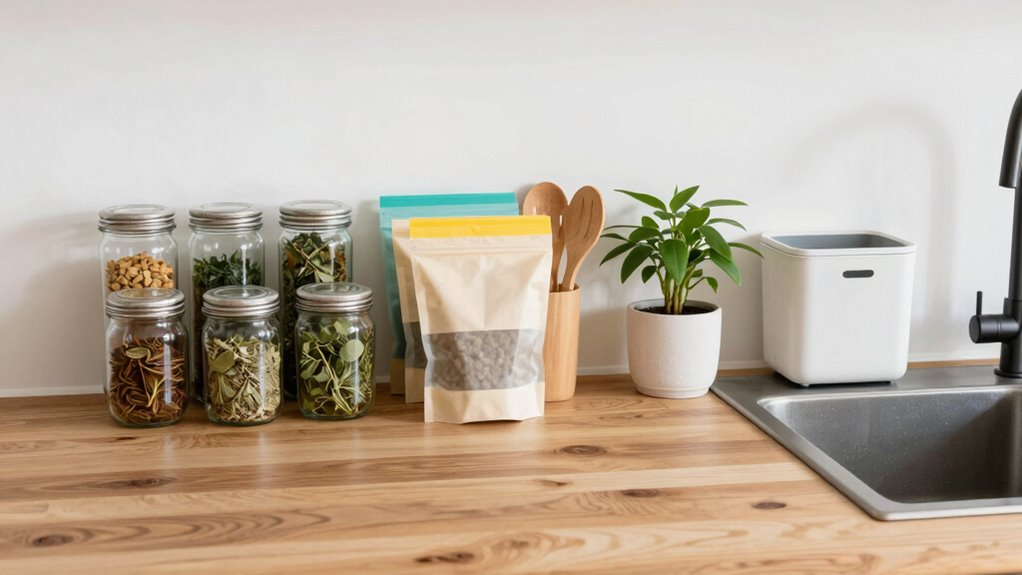
Recycling kitchen items doesn’t require extra bins if you organize your existing space wisely. Start by designating specific areas for recyclable materials like plastics, glass, and paper, making it easier to sort and access items. When it’s time to dispose of organic waste, incorporate composting tips to turn food scraps into nutrient-rich compost, reducing waste and avoiding the need for extra bins. For other recyclables, rinse and flatten containers to save space and ensure proper eco-friendly disposal. Many communities have curbside recycling, so familiarize yourself with local guidelines to streamline the process. Additionally, understanding template compatibility testing can help you optimize your home office setup for better organization and efficiency. Using proper labeling techniques can also assist in maintaining an organized and sustainable kitchen environment. Incorporating holistic family well-being practices into your routine can further support a sustainable lifestyle and encourage mindful waste management. Engaging the whole family in sustainable habits can enhance your efforts and foster environmental awareness at home. By integrating these practices into your routine, you minimize clutter, support sustainability, and make recycling a seamless part of your kitchen without needing additional bins. Implementing efficient sorting techniques can further enhance your waste management system, making it easier to keep your kitchen organized and eco-friendly.

Utopia Kitchen Indoor Compost Bin Kitchen, Odorless Composting with Charcoal Filter, 1.3 Gallon Stainless Steel Large Composter for Countertop & Under Sink, Easy Cleaning, One Extra Filter – (Silver)
With this compost bin, you can let the scraps build up during the week without worrying about bad…
As an affiliate, we earn on qualifying purchases.
As an affiliate, we earn on qualifying purchases.
Upcycle and Repurpose Common Kitchen Clutter Easily
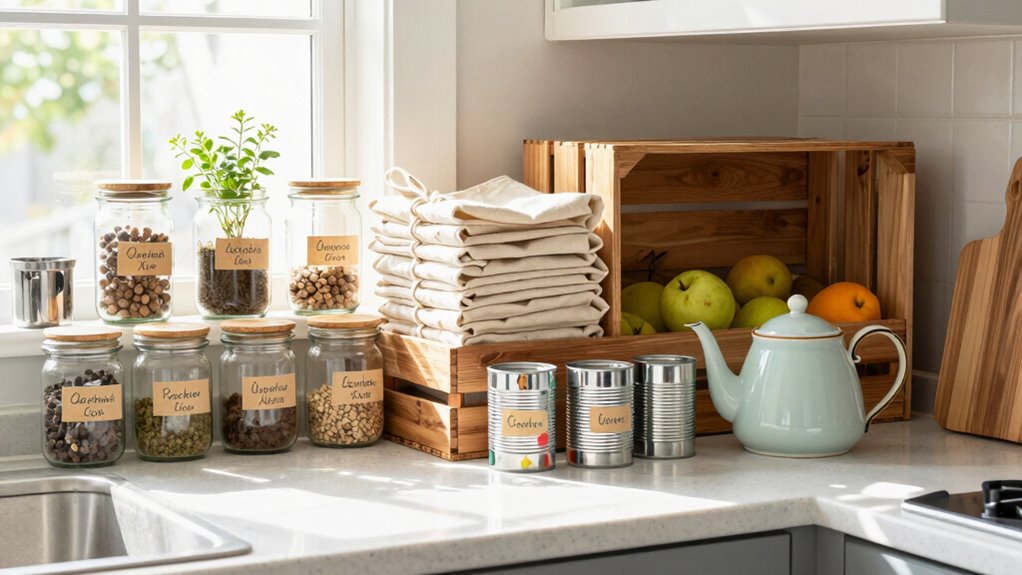
Once you’ve organized your recyclable materials, you can turn clutter into creative opportunities by upcycling and repurposing common kitchen items. Food scrap reuse is a simple way to give waste new life—use vegetable peels for homemade broth or compostable seedling pots. Repurposing glass jars as storage containers reduces the need for new packaging and keeps your pantry tidy. When it comes to appliances, consider appliance recycling options instead of discarding broken or unused items; many parts can be salvaged or repurposed into new tools or art projects. These steps not only cut down on waste but also promote creativity and sustainability. Upcycling transforms clutter into functional, attractive items, helping you declutter while supporting eco-friendly practices. Celebrating golf heritage and women’s LPGA achievements
Choose Sustainable Storage Solutions to Minimize Waste
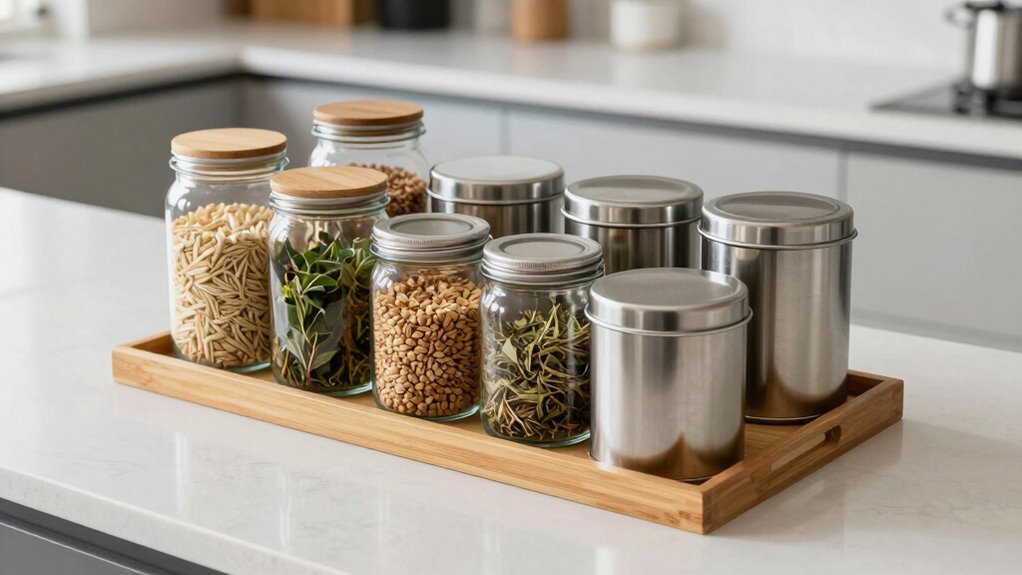
Choosing sustainable storage solutions is essential for reducing waste and supporting eco-friendly living. Opt for containers made from durable, biodegradable packaging that break down naturally, minimizing environmental impact. Use glass or stainless steel containers instead of plastic, which often leaches chemicals and contributes to landfill waste. Incorporate storage options that encourage composting techniques, like compost bins or compostable bags, so food scraps can be reused instead of discarded. Avoid single-use plastic wraps and opt for reusable wraps or cloth covers. Select stackable containers to maximize space and reduce clutter, lowering the chance of food spoilage. By making these mindful choices, you prevent unnecessary waste and create a more sustainable, organized kitchen environment.
Adopt Zero-Waste Habits for a Clutter-Free Kitchen

To keep your kitchen clutter-free and eco-friendly, adopting zero-waste habits is essential. Start by refining your shopping habits—buy only what you need, choose bulk options, and avoid single-use packaging. This reduces the amount of waste entering your kitchen. Incorporate composting practices for organic scraps like vegetable peels and coffee grounds, which helps divert waste from landfills and enriches your soil. Use reusable bags, containers, and cloths instead of disposables, making your routines more sustainable. Be mindful of expiration dates and portion sizes to prevent food waste. Regularly assess your inventory, discarding only what’s truly spoiled. These habits not only minimize clutter but also promote a more sustainable, waste-conscious kitchen environment.
Maintain Your Waste-Reduced, Organized Kitchen Long-Term
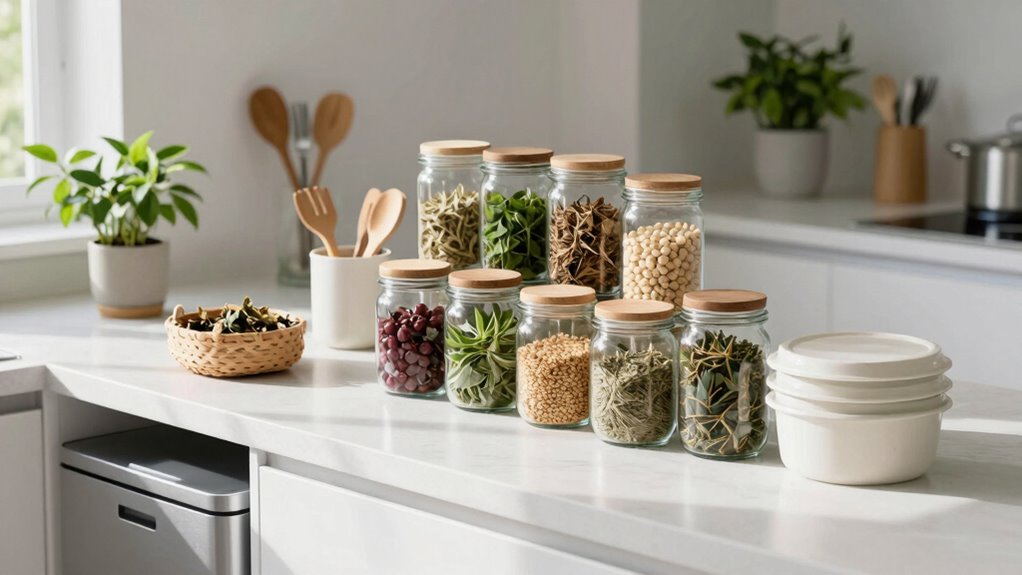
Maintaining a waste-reduced, organized kitchen over time requires consistent habits and mindful upkeep. To do this, regularly monitor your food waste and adjust your shopping and storage habits accordingly. Incorporate effective composting techniques to turn organic scraps into nutrient-rich soil, reducing landfill waste. Keep these practices in mind:
- Track your food waste to identify patterns and prevent over-purchasing
- Use airtight containers to extend food freshness and minimize spoilage
- Schedule weekly composting routines to manage food scraps efficiently
- Educate yourself on local composting options and facilities
- Reuse and repurpose kitchen scraps whenever possible
Staying committed helps ensure your efforts remain sustainable, keeps your kitchen clutter-free, and promotes ongoing waste reduction without needing extra bins.
Frequently Asked Questions
How Can I Identify Hidden Waste in My Kitchen?
You can identify hidden waste in your kitchen by conducting a waste audit, which involves tracking your recycling habits and examining what you throw away. Pay close attention to packaging and food scraps that might be overlooked. Look for items you frequently discard but could repurpose or compost instead. This process helps you spot waste you might not notice daily, encouraging smarter, more sustainable choices and reducing overall clutter without needing extra bins.
What Are Eco-Friendly Alternatives to Plastic Containers?
You can switch to eco-friendly alternatives like biodegradable packaging for your groceries and opt for reusable storage containers instead of plastic ones. These options help cut down waste and are better for the environment. Reusable containers are durable, versatile, and perfect for storing leftovers or bulk items. Meanwhile, biodegradable packaging breaks down naturally, reducing landfill impact. Making these simple swaps keeps your kitchen sustainable while reducing plastic waste.
How Do I Handle Kitchen Waste During Holidays or Parties?
Think of your kitchen waste during holidays like tending to a garden—carefully composting and recycling what you can. You can use compostable serving ware and encourage guests to recycle properly. Implement simple recycling tips, such as designated bins or clear instructions, to reduce waste. By doing this, you turn a potential mess into a celebration of waste reduction, making your festivities eco-friendly and enjoyable for everyone.
Are There Sustainable Options for Composting Indoors?
Yes, you can opt for indoor composting using eco-friendly compost bins. These bins are designed to fit discreetly in your kitchen and help you compost food scraps without odors or pests. Simply place your organic waste in the bin, turn it regularly, and enjoy producing natural compost. This eco-friendly approach reduces waste and keeps your kitchen sustainable without needing extra bins or outdoor space.
How Can I Involve Family Members in Decluttering Sustainably?
Think of decluttering as a team sport—you need everyone’s effort. You can involve family members by setting shared goals for sustainable habits, like sorting recyclables or donating unused items. Make it fun with challenges or rewards, turning cleanup into a bonding activity. When everyone pitches in, it’s easier to maintain a clutter-free, eco-friendly kitchen, fostering teamwork and sustainable habits that last.
Conclusion
By understanding your waste, choosing reusable, recycling thoughtfully, upcycling creatively, selecting sustainable storage, adopting zero-waste habits, and maintaining consistency, you create a clutter-free, eco-friendly kitchen. Embrace these steps to reduce waste, minimize clutter, and enjoy a cleaner, greener space. Stay committed, stay mindful, and stay organized—because a sustainable kitchen is a better kitchen, a healthier home, and a happier planet.