TL;DR

Get home appliances delivered free with Prime
- Fast, free delivery on millions of items
- Prime Video, Amazon Music and more included
- Member-only deals all year
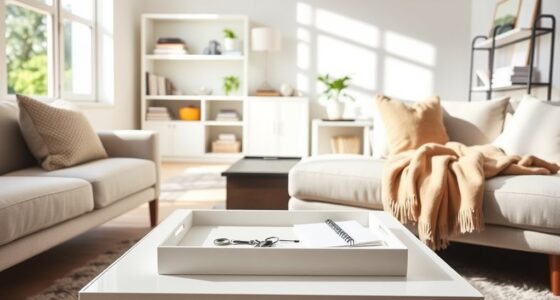
Recent trend signals show a significant rise in popularity for earthy neutral colors, especially gray and blue, in American home decor. This shift reflects changing aesthetic preferences, though the exact reasons remain unconfirmed. The trend is gaining attention among designers and consumers alike.
Search interest in earthy neutral colors, particularly shades of gray and blue, has surged across the United States, according to recent trend signals. These colors are now considered the nation’s favorites for interior design and home decorating, reflecting a shift in aesthetic preferences among consumers and professionals alike.
Data from online search analytics shows a notable increase in queries related to ‘earthy neutrals,’ with specific spikes in searches for ‘gray interior paint’ and ‘blue home decor.’ Industry observers suggest that these colors are favored for their versatility, calming qualities, and ability to complement modern minimalist styles.
Design experts note that the popularity of these hues aligns with broader lifestyle trends emphasizing comfort, sustainability, and natural aesthetics. While specific surveys are not yet available, the pattern indicates a strong consumer inclination toward subdued, earthy tones for both walls and furnishings.
Sources indicate that this trend is visible across various regions and demographic groups, from urban apartments to suburban homes, suggesting a widespread shift rather than a niche preference. However, the exact motivations driving this change—whether cultural, economic, or aesthetic—are still unconfirmed and under observation.
Why the Shift Toward Earthy Neutrals Matters for Home Design
The rising popularity of earthy neutrals like gray and blue signals a broader change in American home aesthetics, emphasizing simplicity, natural elements, and calming environments. This shift could influence product offerings, interior design trends, and even real estate staging practices in the coming months.
For consumers, embracing these colors may reflect a desire for versatile, timeless decor that promotes relaxation and well-being. For manufacturers and retailers, this trend presents an opportunity to develop and market products aligned with these preferences, potentially shaping the market landscape for interior finishes and furnishings.
Experts suggest that this color shift could also mirror societal movements toward sustainability and mindfulness, as earthy tones are often associated with eco-friendly and organic lifestyles. The trend’s longevity remains uncertain, but its current momentum indicates a significant influence on the industry.
Products Worth Considering

Blueair Blue Pure 511i Max Air Purifier

Bose TV Speaker (2nd Gen) Compact Soundbar

eufy Security Essential 7-Piece Alarm System
As an affiliate, we earn on qualifying purchases.
Recent Trends in American Interior Design Preferences
Over the past few years, American interior design has seen shifts toward minimalist, eco-conscious, and comfort-oriented aesthetics. The current spike in interest for earthy neutrals is part of this broader movement, with search analytics showing increased engagement around these colors since early this year.
Historically, shades of gray and blue have cycled in and out of popularity, but recent coverage and social media influence seem to have amplified their appeal. Industry reports suggest that consumers are increasingly seeking durable, adaptable colors that work across various design styles, from modern to rustic.
While no official surveys confirm the motivations, trend observers point to factors like the desire for calming environments amid ongoing societal stresses and the influence of sustainable design principles. The trigger for this particular surge remains unconfirmed, with speculation pointing to a combination of aesthetic preferences and marketing influences.
Unconfirmed Causes Behind the Trend Surge
While data indicates a clear increase in searches and interest, the precise reasons for this shift remain unconfirmed. Experts suggest factors such as societal mood, marketing campaigns, or broader cultural movements, but no definitive studies or surveys have yet substantiated these claims. It is also unclear whether this trend will sustain long-term or is a temporary fluctuation driven by current events or seasonal influences.
Future Outlook for Earthy Neutral Color Preferences
As interest continues to grow, industry insiders anticipate that designers and manufacturers will increasingly incorporate these shades into their offerings. Future surveys and sales data will clarify whether the trend sustains or shifts to other color palettes. Additionally, consumer preferences may evolve in response to broader societal or economic changes, making ongoing monitoring essential for industry stakeholders.
Key Questions
Why are earthy neutrals becoming popular now?
While the exact reasons are still unconfirmed, the trend likely reflects a desire for calming, versatile, and natural-looking environments that align with current lifestyle values and aesthetic preferences.
Are these colors suitable for all types of homes?
Yes, earthy neutrals like gray and blue are highly adaptable and can complement various decor styles, from modern minimalism to rustic and traditional interiors.
Will this trend last long-term?
The longevity of the trend is uncertain. While current interest is high, industry experts will watch sales and design shifts to determine if it remains dominant or gives way to other palettes.
How can consumers incorporate these colors into their homes?
Consumers can start with accent walls, furnishings, or accessories in shades of gray and blue, which are easy to integrate and update as trends evolve.
Is this trend related to sustainability?
There is speculation that the preference for earthy tones aligns with eco-conscious values, but no direct confirmation links the trend to sustainability initiatives.
Source: rss