
Decluttering as self-care helps you boost mental clarity, reduce stress, and feel more in control. When you let go of unnecessary items, you create a space that reflects your true self and fosters emotional well-being. It encourages mindful reflection on your habits, triggers, and emotional patterns, promoting healthier habits and resilience. This process transforms routine tasks into meaningful acts of self-investment. Keep exploring to discover how decluttering can truly nurture your overall happiness and peace.

Get home appliances delivered free with Prime
- Fast, free delivery on millions of items
- Prime Video, Amazon Music and more included
- Member-only deals all year
Key Takeaways
- Decluttering clears mental space, enhances focus, and reduces stress, promoting overall emotional well-being.
- Letting go of emotional baggage through decluttering provides a sense of relief and emotional freedom.
- Reflecting on possessions helps identify emotional triggers, fostering healthier habits and resilience.
- Mindful organization deepens self-awareness and supports self-care by addressing underlying emotional patterns.
- An organized space reinforces feelings of control, peace, and happiness, contributing to improved mental and emotional health.
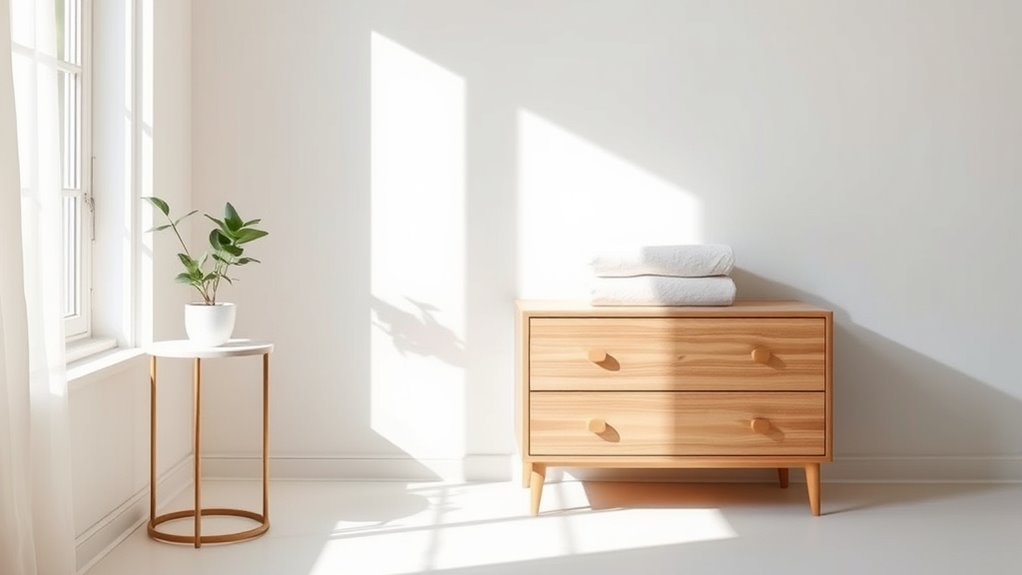
Decluttering isn’t just about tidying up your space; it’s a powerful act of self-care that can boost your mental clarity and emotional well-being. When you approach decluttering with mindful organization, you actively engage in a process that fosters awareness of your habits, choices, and emotional states. This intentional method helps you focus on what truly matters, making it easier to let go of items that no longer serve you. As you sort through belongings, you become more present in the moment, paying attention to your feelings and reactions. This mindfulness transforms a mundane task into a meaningful activity, creating a space that reflects your true self and supports your mental health. Incorporating mindful organization techniques can further enhance the benefits of decluttering and deepen your self-care practice.
Approaching decluttering mindfully boosts mental clarity and emotional well-being through self-awareness and meaningful organization.
The act of decluttering also facilitates emotional release. Holding onto items laden with memories or negative associations can weigh heavily on your mind, often contributing to stress or anxiety. By consciously choosing to let go of these possessions, you release the emotional baggage attached to them. This process can be surprisingly cathartic; removing clutter clears not only your physical environment but also your emotional landscape. Each item you discard or donate symbolizes a step toward emotional freedom, helping you feel lighter and more in control. As a result, you’re likely to experience a sense of relief and renewed energy that encourages you to focus on more positive aspects of your life.
Incorporating mindful organization into your decluttering routine means more than just cleaning out a drawer or closet. It involves actively reflecting on why you hold onto certain items and recognizing whether they contribute to your happiness or simply occupy space. This reflection can uncover underlying emotional patterns, like attachment, guilt, or fear of scarcity, which may influence your relationship with possessions. When you identify these emotional triggers, you’re better equipped to address them, fostering healthier habits and promoting emotional resilience. Over time, this practice can help you develop a more intentional approach to consumption, encouraging you to only keep what genuinely adds value to your life.
Ultimately, decluttering as a form of self-care nurtures your mental and emotional health. It encourages you to create a living environment that supports peace, clarity, and well-being. By practicing mindful organization and allowing yourself emotional release, you’re not just tidying up your space—you’re investing in your overall health and happiness. This act of intentional decluttering becomes a daily reminder that taking care of your environment is a crucial part of caring for yourself. With each session, you reinforce a positive cycle of self-awareness, emotional freedom, and mental clarity that benefits your life far beyond the physical space.
As an affiliate, we earn on qualifying purchases.
Frequently Asked Questions
How Often Should I Declutter to See Mental Health Benefits?
You should aim to declutter monthly or seasonally to see mental health benefits. Establishing regular organizational routines helps you maintain a calm mind and reduces stress. Incorporate seasonal decluttering sessions, like spring cleaning, to keep your space manageable and invigorating. Consistency is key, so set reminders and stick to your schedule. This habit clears mental clutter, boosts your mood, and creates a more peaceful environment for your well-being.
Can Decluttering Help Reduce Anxiety and Stress Levels Effectively?
Imagine you’re a modern-day Marie Kondo, and decluttering can truly reduce your anxiety and stress. By embracing a minimalist lifestyle, you create space for calm and clarity. Decluttering offers an emotional release, helping you feel more in control and less overwhelmed. Regularly tidying up alleviates clutter-induced stress, making your environment soothing. So yes, decluttering effectively eases anxiety, fostering mental peace and emotional well-being.
What Are the Best Tools or Methods for Quick Decluttering?
You can quickly declutter by using digital apps like Marie Kondo or Sortly to organize your space efficiently. Adopting a minimalist approach helps you focus on essentials and reduces overwhelm. Start by sorting items into keep, donate, or discard piles, then use apps to track your possessions. Prioritize daily 10-minute sessions to maintain progress, making decluttering feel manageable and rewarding.
How Do I Stay Motivated to Maintain a Clutter-Free Space?
To stay motivated, focus on visual cues like a tidy space that inspires you, and set up reward systems to celebrate your progress. Keep reminding yourself of the benefits, like reduced stress and increased clarity. Break tasks into small steps, and reward yourself after each one. This approach makes maintaining a clutter-free space rewarding and achievable, helping you stay committed and motivated over the long term.
Is Decluttering Suitable for People With Chronic Mental Health Conditions?
Yes, decluttering can be suitable for people with chronic mental health conditions when approached with adaptive strategies. Studies show that reducing clutter can improve emotional regulation and decrease stress. You might find it helpful to set small, manageable goals and seek support if needed. Remember, decluttering isn’t about perfection but creating a space that fosters calm and well-being, helping you manage your condition more effectively.
As an affiliate, we earn on qualifying purchases.
Conclusion
By decluttering your space, you clear your mind. By decluttering your space, you create calm. By decluttering your space, you nurture your well-being. When you make decluttering a form of self-care, you embrace simplicity, reduce stress, and foster peace. So, take that first step today—clear your space, refresh your mind, and boost your spirit. Because when you declutter, you don’t just tidy up your environment—you transform your life.
As an affiliate, we earn on qualifying purchases.
As an affiliate, we earn on qualifying purchases.
NFL season / tailgating Picks
team gear
As an affiliate, we earn on qualifying purchases.