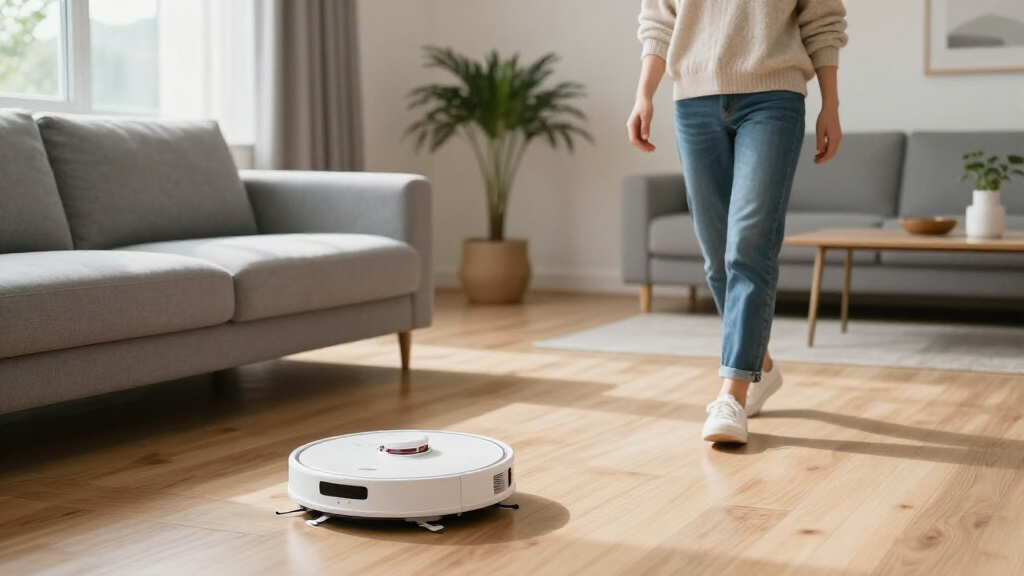

Choosing between robotic vacuum cleaners in 2026 mostly comes down to three questions: how much suction power you need, whether you want mopping, and how much automation your cleaning dock should handle. The Roborock Qrevo 2 Pro earns the top spot overall for combining 20,000 Pa suction with a fully automated dock that washes and dries its own mop pads, cutting maintenance to near zero. The Dreame D30 Ultra CE is the powerhouse alternative with 25,000 Pa suction and a comparable hands-free dock, while the eufy 11S MAX remains the go-to budget pick for buyers who want simple, quiet vacuuming without app complexity. The biggest tradeoff in this category is price versus automation: flagship docks cost far more but eliminate daily chores like emptying dustbins and rinsing mops. Keep reading for the full breakdown of all 15 models.

Get home appliances delivered free with Prime
- Fast, free delivery on millions of items
- Prime Video, Amazon Music and more included
- Member-only deals all year
Complete the kit


Key Takeaways
- Suction numbers alone are misleading: the Roborock Q7 M5+ with 10,000 Pa cleaned hard floors nearly as well on everyday debris as 20,000 Pa flagships, so spec chasing only pays off if you have deep-pile carpet or heavy pet hair.
- The self-cleaning dock is the real dividing line in this lineup. Models like the Qrevo 2 Pro, Dreame L40s Ultra CE, and D30 Ultra CE wash and dry their own mop pads; cheaper docks like the Tikom and generic 6,000 Pa models only self-empty dust, leaving you to handle dirty mops by hand.
- Two iRobot Roombas and both Sharks trade mopping for stronger vacuum-focused features like Matrix Clean brushing, which makes them better fits for carpet-heavy homes than most mop-equipped budget combos.
- The generic-brand picks (the 6,000 Pa self-emptying model, the 5,000 Pa 3-in-1, and the ROPVACNIC) offer impressive hardware for the money, but weaker navigation and mapping software — a real drawback in multi-room homes with obstacles.
- The eufy 11S MAX is the only model here without app-based mapping, yet it remains a top pick for small apartments, low furniture, and buyers who want zero setup friction.
| Dreame L40s Ultra CE Robot Vacuum and Mop with Self-Emptying |  | Best Overall Vacuum-and-Mop Station | Suction Power: 13,000Pa | Self-Emptying Capacity: Up to 100 days of dust | Max Mop Lift: 10.5mm | VIEW LATEST PRICE | See Our Full Breakdown |
| Roborock Qrevo 2 Pro Robot Vacuum and Mop, 20,000 Pa Suction |  | Best Premium Pick | Suction Power: 20,000 Pa | Water Temperature: 149°F | Mop Drying Temperature: 113°F | VIEW LATEST PRICE | See Our Full Breakdown |
| H6 Pro Robot Vacuum and Mop, 6000Pa Suction, 90 Days Hands-Free Cleaning |  | Best Value Self-Emptying Combo | Suction Power: 6000Pa | Navigation: 360° LiDAR with multi-level mapping | Cleaning Modes: Vacuum, sweep, mop | VIEW LATEST PRICE | See Our Full Breakdown |
| Roborock Q7 M5+ Robot Vacuum and Mop, 7-9 Weeks Self-Empty, 10,000Pa Suction |  | Best for Pet Households | Suction Power: 10,000Pa | Dust Capacity: 2.7L self-emptying bag | Self-Empty Interval: Up to 7–9 weeks | VIEW LATEST PRICE | See Our Full Breakdown |
| iRobot Roomba 105 Robot Vacuum Cleaner |  | Best for Beginners | Power: 70x more power-lifting suction | Navigation: LiDAR mapping and obstacle avoidance | Cleaning System: 3-stage cleaning with edge-sweeping brush | VIEW LATEST PRICE | See Our Full Breakdown |
| Tikom Robot Vacuum and Mop with Self-Emptying Base |  | Best Multi-Floor Value | Suction Power: 6000Pa | Dustbin Capacity: 3L (self-emptying base) | Navigation: 360° LiDAR | VIEW LATEST PRICE | See Our Full Breakdown |
| Roborock Q7 L5 Robot Vacuum and Mop Combo, 8,000Pa Suction |  | Best Simultaneous Vacuum-and-Mop | Suction Power: 8,000 Pa | Navigation: LiDAR | Water Tank Capacity: 270 ml | VIEW LATEST PRICE | See Our Full Breakdown |
| Roborock Qrevo S Pro Robot Vacuum and Mop, 18,500Pa Suction |  | Best Premium Hands-Off Cleaning | Suction Power: 18,500Pa | Dustbin Capacity: 2.7L (auto disposal) | Self-Cleaning Mop: Yes | VIEW LATEST PRICE | See Our Full Breakdown |
| Robot Vacuum and Mop Combo, 5000Pa Self-Charging Robotic Vacuum |  | Best Budget Entry Point | Suction Power: 5000Pa with carpet auto-boost | Runtime: 120 minutes | Functions: 3-in-1 sweep, vacuum, mop | VIEW LATEST PRICE | See Our Full Breakdown |
| eufy 11S MAX Robot Vacuum Cleaner | 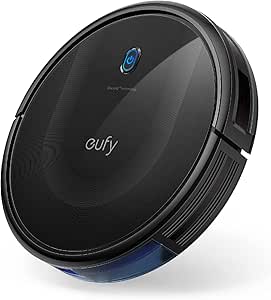 | Best Low-Tech Simplicity | Profile Height: 2.85 inches | Runtime: Up to 100 minutes | Suction Technology: BoostIQ adaptive suction | VIEW LATEST PRICE | See Our Full Breakdown |
| Shark AV2501S AI Ultra Robot Vacuum with Matrix Clean and Self-Empty Base |  | Best for Allergy Sufferers | Suction Power: Powerful, suitable for deep cleaning | Navigation: Matrix Clean with 360° LiDAR | Self-Empty Capacity: Up to 30 days | VIEW LATEST PRICE | See Our Full Breakdown |
| Dreame D20 Air Plus Robot Vacuum and Mop, 20,000Pa Powerful Suction |  | Best Low-Maintenance Vacuum-and-Mop Duo | Suction Power: 20,000Pa | Dust Capacity: 4L sealed dust bag | Auto-Empty Duration: Up to 120 days | VIEW LATEST PRICE | See Our Full Breakdown |
| Dreame D30 Ultra CE Robot Vacuum and Mop, 25,000Pa Powerful Suction |  | Best Premium Full-Service Cleaner | Suction Power: 25,000Pa | Max Dust Capacity: 3.2 liters, up to 100 days of use | Battery Life: 180 minutes | VIEW LATEST PRICE | See Our Full Breakdown |
| ROPVACNIC Robot Vacuum and Mop Combo 5200Pa Suction |  | Best Budget-Friendly Starter Combo | Suction Power: 5200Pa | Cleaning Modes: Multiple, customizable | Water Tank: High-capacity with four-stage adjustment | VIEW LATEST PRICE | See Our Full Breakdown |
| Shark AI Ultra Robot Vacuum, 60-Day Self-Emptying Base, AV2511AE |  | Best Set-and-Forget Pet Hair Solution | Suction Power: High, suited to pet hair and debris | Self-Empty Duration: Up to 60 days | Battery Life: Up to 90 minutes | VIEW LATEST PRICE | See Our Full Breakdown |
| robotic vacuum cleaner | Suction Power |
|---|---|
| Dreame L40s Ultra CE Robot Vac | 13,000Pa |
| Roborock Qrevo 2 Pro Robot Vac | 20,000 Pa |
| H6 Pro Robot Vacuum and Mop | 6000Pa |
| Roborock Q7 M5+ Robot Vacuum a | 10,000Pa |
| iRobot Roomba 105 Robot Vacuum | — |
| Tikom Robot Vacuum and Mop wit | 6000Pa |
| Roborock Q7 L5 Robot Vacuum an | 8,000 Pa |
| Roborock Qrevo S Pro Robot Vac | 18,500Pa |
| Robot Vacuum and Mop Combo | 5000Pa with carpet auto-boost |
| eufy 11S MAX Robot Vacuum Clea | — |
| Shark AV2501S AI Ultra Robot V | Powerful, suitable for deep cleaning |
| Dreame D20 Air Plus Robot Vacu | 20,000Pa |
| Dreame D30 Ultra CE Robot Vacu | 25,000Pa |
| ROPVACNIC Robot Vacuum and Mop | 5200Pa |
| Shark AI Ultra Robot Vacuum | High, suited to pet hair and debris |
More Details on Our Top Picks
Dreame L40s Ultra CE Robot Vacuum and Mop with Self-Emptying
The L40s Ultra CE hits a sweet spot that few competitors manage: near-flagship cleaning power in a dock that genuinely reduces chores. With 13,000Pa suction, a 100-day self-emptying dust bag, and a mop that lifts 10.5mm over carpet, it covers the three things most buyers actually care about — deep debris pickup, low maintenance, and carpet protection. Compared with the Roborock Q7 M5+, the Dreame adds full mopping automation rather than a basic drag-along pad, making it the better pick for mixed hard-floor and carpet homes. The tradeoff is honest, though: the automatic water-filling module is sold separately, so the hands-free experience isn’t complete out of the box, and setup for the full feature set takes patience.
Pros:- 13,000Pa suction handles embedded debris and pet hair across floor types
- Up to 100 days between dust bag replacements
- 10.5mm mop lift protects carpets from damp pads
- Tangle-free brush design suits shedding pets
Cons:- Automatic filling module requires a separate purchase
- Only 2.4GHz Wi-Fi supported, USA market only
- Full-feature setup is more involved than simpler models
Best for: Homeowners with mixed flooring who want one machine to vacuum and mop with minimal weekly upkeep
Not ideal for: Buyers on a strict all-in budget — the water-filling add-on pushes the true cost of full automation higher
- Suction Power:13,000Pa
- Self-Emptying Capacity:Up to 100 days of dust
- Max Mop Lift:10.5mm
- Wi-Fi Compatibility:2.4GHz
- Control:Voice & app
- Cleaning Modes:Vacuum and mop
- Carpet Handling:Intelligent carpet adaptation
Our verdict“If you want one machine to do everything and can tolerate a paid add-on for total hands-free mopping, this is the most complete package here.”
Roborock Qrevo 2 Pro Robot Vacuum and Mop, 20,000 Pa Suction
Where the Dreame L40s Ultra CE balances price and power, the Qrevo 2 Pro goes all-in on performance. Its 20,000Pa suction leads this batch, and the dock goes beyond emptying dust — it washes mops with 149°F hot water and dries them at 113°F, which matters if you mop daily and dislikemusty pads. At 54dB, it also runs quieter than most full-size combo robots, a real advantage for homes with napping kids or open floor plans. The flexible edge-reaching mop closes the gap against baseboards that round robots typically miss. The downside: with this many automated systems, there are more parts to rinse, replace, and troubleshoot, and 2.4GHz-only Wi-Fi feels dated at this tier.
Pros:- Class-leading 20,000Pa suction for embedded dirt and heavy pet hair
- Hot-water mop washing and heated drying keep pads hygienic
- Quiet 54dB operation compared with high-power rivals
- Flexible mop design reaches edges and corners effectively
Cons:- Multiple self-cleaning features mean more components to maintain
- 2.4GHz-only Wi-Fi connectivity
- Premium feature set likely carries a premium price
Best for: Buyers who want maximum cleaning power and a dock that washes and dries its own mops
Not ideal for: Set-and-forget minimalists — the multi-function dock demands regular upkeep of several components
- Suction Power:20,000 Pa
- Water Temperature:149°F
- Mop Drying Temperature:113°F
- WiFi Compatibility:2.4GHz
- Noise Level:54 dB
- Dock Features:Auto-empty with self-cleaning
- Obstacle Avoidance:Advanced
Our verdict“This is the pick when cleaning results matter more than budget or simplicity — expect to pay and maintain accordingly.”
H6 Pro Robot Vacuum and Mop, 6000Pa Suction, 90 Days Hands-Free Cleaning
The H6 Pro proves you don’t need flagship money for a LiDAR-mapped, self-emptying vacuum-and-mop combo. Its 360° LiDAR navigation with multi-level mapping — a feature usually reserved for pricier models like the Roborock Q7 M5+ — lets it clean two-story homes without re-mapping, and the 150-minute runtime comfortably covers large single floors on one charge. At 6000Pa, suction is adequate for hard floors and light carpet rather than deep-pile rescue missions, so temper expectations against the 20,000Pa class above it. The 2-year warranty is a genuine differentiator at this level, offering peace of mind budget brands rarely include. Note the onboard 250ml dustbin relies on the base for hands-free living — heavy shedders will still hear the emptying cycle often.
Pros:- Multi-level LiDAR mapping rare at this price point
- 150-minute runtime suits large homes in a single pass
- 3-in-1 vacuum, sweep, and mop versatility
- 2-year warranty included
Cons:- 6000Pa suction trails premium rivals on carpet
- Feature-rich app has a learning curve
- 250ml onboard dustbin empties frequently without the dock
Best for: Budget-conscious buyers in multi-level homes who want mapping and self-emptying without flagship pricing
Not ideal for: Thick-carpet households or heavy pet shedding — 6000Pa trails the 10,000Pa+ competition on deep cleaning
- Suction Power:6000Pa
- Navigation:360° LiDAR with multi-level mapping
- Cleaning Modes:Vacuum, sweep, mop
- Dustbin Capacity:250ml
- Water Tank Capacity:310ml
- Run Time:150 minutes
- Connectivity:App, Alexa, Google voice control
- Battery Life:Recharge and resume
- Warranty:2 years
Our verdict“The smart buy if mapping, runtime, and warranty matter more to you than raw suction numbers.”
Roborock Q7 M5+ Robot Vacuum and Mop, 7-9 Weeks Self-Empty, 10,000Pa Suction
Pet owners should shortlist the Q7 M5+ for one reason above all: its dual anti-tangle brushes paired with a 2.7L dust bag mean hair wraps less and the bin needs attention only every 7–9 weeks. That’s a longer hands-free window than most rivals, including the Dreame L40s Ultra CE’s already generous 100-day claim. The PreciSense LiDAR mapping builds efficient routes across multi-room layouts, and three adjustable water-flow levels give reasonable mop control, though it lacks the hot-water washing and mop drying of the pricier Qrevo 2 Pro — expect to rinse pads yourself. At 10,000Pa, suction sits comfortably in the middle of this lineup: stronger than the H6 Pro, quieter on the wallet than the 20,000Pa flagships.
Pros:- 7–9 week self-emptying interval with 2.7L dust bag
- Dual anti-tangle brushes minimize hair wrap
- PreciSense LiDAR maps multi-room homes efficiently
- Three adjustable mop water-flow settings
Cons:- Manual mop pad washing required
- 2.4GHz-only Wi-Fi, no 5GHz support
- Mid-tier suction below the 18,500Pa+ flagships
Best for: Pet owners tired of untangling brushes and emptying bins every few days
Not ideal for: Buyers wanting automated mop hygiene — pads must be washed manually, unlike the Qrevo 2 Pro’s self-cleaning dock
- Suction Power:10,000Pa
- Dust Capacity:2.7L self-emptying bag
- Self-Empty Interval:Up to 7–9 weeks
- Water Flow Settings:3 adjustable levels
- Navigation:PreciSense LiDAR
- Connectivity:Wi-Fi 2.4GHz
- Brush System:Dual anti-tangle brushes
Our verdict“The most sensible choice for shedding pets and low-maintenance vacuuming, as long as you don’t expect the dock to care for its mops.”
iRobot Roomba 105 Robot Vacuum Cleaner
Not everyone wants a docking station that washes mops or an app with forty settings. The Roomba 105 strips robot cleaning to its essentials: LiDAR navigation, a 3-stage cleaning system with an edge-sweeping brush, and simple app, voice, or physical-button control. Compared with the feature-loaded H6 Pro, the Roomba’s advantage is approachability — you can be running it within minutes of unboxing, and its recharge-and-resume behavior handles big jobs without supervision. The honest cost of that simplicity shows in mapping: there’s no zone cleaning or room-specific customization, and dense carpets will test its limits more than the 10,000Pa+ models above. For a first robot vacuum, or a small apartment that mostly needs daily tidying, those gaps rarely matter.
Pros:- Simple setup with app, voice, and manual button control
- LiDAR navigation with obstacle and stair avoidance
- Self-charging with resume for larger jobs
- 3-stage cleaning with edge-sweeping brush
Cons:- No zone cleaning or advanced mapping customization
- May struggle on very thick carpets
- Limited to 2.4GHz Wi-Fi networks
Best for: First-time robot vacuum buyers who value simplicity and reliable daily tidying over advanced features
Not ideal for: Power users wanting room-specific cleaning rules — the basic mapping lacks zone and no-go customization
- Power:70x more power-lifting suction
- Navigation:LiDAR mapping and obstacle avoidance
- Cleaning System:3-stage cleaning with edge-sweeping brush
- Connectivity:Wi-Fi, Alexa, Siri, Google Assistant
- Control:App, voice, manual buttons
- Recharge & Resume:Yes
Our verdict“A dependable, low-friction entry point into robot vacuums — buy it for simplicity, not for deep carpet cleaning.”
Tikom Robot Vacuum and Mop with Self-Emptying Base
What separates the Tikom G8000 Pro from cheaper self-emptying options is its multi-floor mapping for up to 5 levels — a feature rarely found outside premium models like the Roborock Qrevo line. The 3L dust bag means weeks between emptying, and the 6000Pa suction handles pet hair on medium-pile carpet without the clogging that plagues cheaper single-brush designs.
The tradeoff is mopping: unlike the Roborock Qrevo S Pro with its 10mm mop-lifting system, you’ll need to manually remove the mop holder or set no-go zones to keep carpets dry. Dual-band Wi-Fi (2.4GHz and 5GHz) is a welcome edge over the Roborock Q7 L5, which locks you to 2.4GHz networks. Expect a learning curve with the app’s deeper settings.
Pros:- Self-emptying 3L base cuts maintenance to every few weeks
- Maps up to 5 floors — rare at this price point
- Dual-band Wi-Fi support (2.4GHz and 5GHz)
- 6000Pa suction handles pet hair on carpets effectively
Cons:- Mop must be removed or zoned off manually to protect carpet
- Feature-rich app has a learning curve for first-time robot vacuum owners
Best for: Homeowners with multi-story houses who want self-emptying convenience without paying flagship prices
Not ideal for: Households with mostly carpeted floors, since mopping requires manual intervention to avoid wet carpets
- Suction Power:6000Pa
- Dustbin Capacity:3L (self-emptying base)
- Navigation:360° LiDAR
- Battery Life:150 minutes
- Connectivity:Wi-Fi (2.4GHz & 5GHz)
- Max Floors Supported:5
- Functions:Vacuum and mop with multi-floor mapping
Our verdict“Buy this if you have a multi-story home and want self-emptying hands-free cleaning on a mid-range budget.”
Roborock Q7 L5 Robot Vacuum and Mop Combo, 8,000Pa Suction
The Roborock Q7 L5 earns its spot by doing something the Tikom can’t: vacuuming and mopping at the same time without swapping attachments. The 270ml water tank covers a decent footprint in one pass, and dual anti-tangle brushes make it a stronger choice for long-haired households than the ROPVACNIC combo, which relies on a single brush design.
At 8000Pa, suction sits comfortably between the Tikom’s 6000Pa and the Qrevo S Pro’s 18500Pa — plenty for hard floors and low-pile carpet, though deep-pile rugs are better left to the pricier Roborock. The 60dB noise level is quiet enough for work-from-home days. Note the 2.4GHz-only Wi-Fi limitation if your router defaults to 5GHz.
Pros:- Simultaneous vacuum-and-mop saves time on mixed flooring
- 8,000Pa suction with dual anti-tangle brushes
- Quiet 60dB operation suitable for daytime cleaning
- Washable filter reduces ongoing costs
Cons:- 2.4GHz-only Wi-Fi may require router configuration changes
- 150-minute battery can fall short for very large homes
- 270ml water tank needs refilling for big mopping jobs
Best for: Busy households with mixed hard floors and low carpet who want true two-in-one cleaning passes
Not ideal for: Homes with thick, high-pile carpets — 8,000Pa is solid but not flagship-level for deep pile
- Suction Power:8,000 Pa
- Navigation:LiDAR
- Water Tank Capacity:270 ml
- Battery Life:150 minutes
- Noise Level:60 dB
- Controls:App, Voice (Alexa/Google), Button
- Wi-Fi:2.4 GHz only
- Filter Type:Washable
Our verdict“Pick the Q7 L5 if you want one-pass vacuum-and-mop cleaning with strong navigation and don’t need flagship suction.”
Roborock Qrevo S Pro Robot Vacuum and Mop, 18,500Pa Suction
This is the closest thing to a fully self-maintaining robot in this batch. The Qrevo S Pro pairs a self-cleaning mop system with automatic dust disposal and 10mm mop lifting — meaning it can mop your kitchen, raise the pads over carpet, and keep going, all without you touching a thing. Compare that to the Tikom, where carpet protection is manual, and the difference in day-to-day laziness is enormous.
The 18,500Pa suction outmuscles everything here except its sibling, the Qrevo 2 Pro at 20,000Pa, so ground-in debris and litter-tracked mess are handled in a single pass. The honest tradeoff: this is a flagship-priced machine, it’s limited to 2.4GHz Wi-Fi, and Roborock doesn’t publish a runtime figure — a gap worth questioning before committing.
Pros:- Self-cleaning mop pads eliminate the dirtiest maintenance chore
- 18,500Pa suction rivals far more expensive flagships
- 10mm mop lifting protects carpet automatically
- Anti-tangle, pet-friendly brush design with obstacle detection
Cons:- Flagship price for features you may not use
- 2.4GHz-only Wi-Fi connectivity
- No official battery runtime specification
Best for: Pet owners and busy professionals who want maximum automation and are willing to pay flagship prices for it
Not ideal for: Budget-conscious buyers or anyone who mainly needs vacuuming only — much of what you pay for here is the self-cleaning mop system
- Suction Power:18,500Pa
- Dustbin Capacity:2.7L (auto disposal)
- Self-Cleaning Mop:Yes
- Mop Lifting:10 mm
- Obstacle Detection:Yes
- Noise Level:55 dB
- Wi-Fi:2.4 GHz only
Our verdict“If you want the most hands-off cleaning experience available and your budget allows it, this is the one to beat.”
Robot Vacuum and Mop Combo, 5000Pa Self-Charging Robotic Vacuum
For a first robot vacuum, this unnamed 3-in-1 model checks the boxes that matter: 5000Pa suction with carpet auto-boost, Alexa and app control, and a slim tangle-free body — all at an entry-level price. It’s a smarter starter pick than the eufy 11S MAX if smart features matter to you, since it adds genuine app scheduling and voice control rather than remote-only operation.
But the gaps against mid-tier rivals are real. The small water tank needs frequent refills on larger homes, the sponge filter is a recurring cost, and the 120-minute runtime trails the Tikom and Q7 L5 by 30 minutes. Carpet auto-boost is the standout value feature — it ramps suction automatically on rugs, something budget robots often skip entirely.
Pros:- Carpet auto-boost automatically increases suction on rugs
- App, remote, and Alexa/Google voice control included
- Ultra-slim tangle-free design reaches under furniture
- 2-year warranty provides extra peace of mind
Cons:- Small water tank requires frequent refilling
- 120-minute runtime is the shortest in this lineup
- Sponge filter is a recurring replacement expense
Best for: First-time buyers and apartment dwellers who want app and voice control plus mopping on a tight budget
Not ideal for: Larger homes or heavy pet-shedding households — the small tank and shorter runtime will require multiple cycles
- Suction Power:5000Pa with carpet auto-boost
- Runtime:120 minutes
- Functions:3-in-1 sweep, vacuum, mop
- Controls:App, remote, voice (Alexa/Google)
- Cleaning Modes:5 modes
- Design:Ultra-slim, tangle-free
- Filter Type:Sponge
- Warranty:2 years
Our verdict“A sensible, low-risk first robot vacuum for apartments — just don’t expect it to cover a large house in one run.”
eufy 11S MAX Robot Vacuum Cleaner
The eufy 11S MAX is the deliberate opposite of everything else here — and that’s its entire appeal. At 2.85 inches tall, it slides under beds and sofas where LiDAR-towered robots like the Roborock Q7 L5 physically can’t fit. And because there’s no Wi-Fi, no app, and no account setup, it works out of the box with nothing but a remote — ideal for tech-averse users or gifting to older family members.
The BoostIQ suction adjusts automatically between hard floors and rugs, and the quiet operation genuinely lets you run it during dinner conversations. The catch is stark compared to modern rivals: no mapping means random-ish navigation, no mopping at all, and no scheduling from your phone. It’s a dust-buster on wheels, not a home manager.
Pros:- 2.85-inch profile cleans under furniture most robots can’t reach
- Whisper-quiet operation for any time of day
- Zero setup — works immediately with remote control
- Drop-sensing and infrared sensors protect stairs and furniture
Cons:- No Wi-Fi, app, scheduling, or voice control whatsoever
- No mapping — cleans less systematically than LiDAR models
- Vacuum only, no mopping capability
Best for: Simplers, seniors, or anyone who wants a genuinely no-setup vacuum with zero app or Wi-Fi requirements
Not ideal for: Smart-home enthusiasts or anyone who wants mapping, scheduling, or mopping — none of that exists here
- Profile Height:2.85 inches
- Runtime:Up to 100 minutes
- Suction Technology:BoostIQ adaptive suction
- Connectivity:Remote control only
- Surface Compatibility:Hardwood and other hard surfaces
- Safety Features:Anti-scratch glass, infrared sensors, drop-sensing
- Mopping:No
Our verdict“Choose this if you value simplicity and a slim profile over smart features — and skip it if app control matters at all.”
Shark AV2501S AI Ultra Robot Vacuum with Matrix Clean and Self-Empty Base
The Shark AV2501S AI Ultra earns its place here because of one thing no other vacuum in this lineup matches: a true HEPA filtration system that traps 99.97% of dust and allergens. Compared with the Dreame D20 Air Plus, which prioritizes raw suction over air quality, this Shark is the pick for households where sneezing and pet dander are daily battles. Its Matrix Clean navigation with 360° LiDAR passes over the same areas multiple times, which translates to fewer missed patches on high-traffic carpet. The 30-day self-empty base is respectable, though the Shark AV2511AE doubles that to 60 days if emptying less often matters more to you than filtration. Tradeoffs are real: the 120-minute runtime trails the Dreame D30 Ultra’s 180 minutes, and the footprint of the base demands floor space.
Pros:- Sealed HEPA filtration captures 99.97% of allergens and dust
- Matrix Clean multi-pass coverage on carpets and rugs
- 30-day self-empty base cuts weekly maintenance
- Works with Alexa and Google Assistant for hands-free starts
Cons:- Runtime of 120 minutes is shorter than competing models like the Dreame D30 Ultra
- Self-empty base and robot footprint take up considerable floor space
Best for: Allergy sufferers and pet owners who want sealed HEPA filtration and multi-pass carpet cleaning
Not ideal for: Very large single-floor homes — the 120-minute battery may not finish a full run without recharging
- Suction Power:Powerful, suitable for deep cleaning
- Navigation:Matrix Clean with 360° LiDAR
- Self-Empty Capacity:Up to 30 days
- Filtration:HEPA, captures 99.97% of dust and allergens
- Runtime:Up to 120 minutes
- Connectivity:WiFi, Alexa, Google Assistant
Our verdict“Buy this if allergen capture and pet-hair deep cleaning matter more to you than maximum runtime or mop functions.”
Dreame D20 Air Plus Robot Vacuum and Mop, 20,000Pa Powerful Suction
Where most combos in this roundup ask you to swap dust bags every month or so, the Dreame D20 Air Plus stretches that interval to a 120-day auto-empty dock — the longest in this batch and double the Shark AV2501S’s 30 days. That means roughly four months of not thinking about debris, which is the whole point of buying a robot vacuum. Its 20,000Pa suction sits firmly in premium territory alongside the Roborock Qrevo 2 Pro, and the dual anti-tangle brushes make short work of pet hair without the wrapping that plagues single-brush designs. The electronic water tank with adjustable flow gives you real control over mopping intensity on hardwood versus tile. The catch: 2.4G WiFi only, which will frustrate anyone whose router defaults to a 5GHz-only network, and there’s no mopping self-cleaning like the D30 Ultra offers.
Pros:- 120-day auto-empty dock is the longest interval in this batch
- 20,000Pa suction rivals premium Roborock models
- Dual anti-tangle brushes handle pet hair without wrapping
- Electronic water tank with adjustable flow for different floor types
Cons:- 2.4G WiFi only, which can complicate setup on newer routers
- No mop washing or hot-air drying — the mop pad needs manual rinsing
Best for: Busy households that want to vacuum and mop with minimal touchpoints — empty the dock four times a year
Not ideal for: Homes with modern 5GHz-only mesh networks or anyone needing a hot-air-dried mop like the Dreame D30 Ultra provides
- Suction Power:20,000Pa
- Dust Capacity:4L sealed dust bag
- Auto-Empty Duration:Up to 120 days
- Water Tank:Electronic with adjustable flow
- WiFi Compatibility:2.4G WiFi
- App Control:Yes, with customizable schedules
Our verdict“This is the strongest choice if your priority is a fit-and-forget vacuum-and-mop combo with the least frequent dust bag changes.”
Dreame D30 Ultra CE Robot Vacuum and Mop, 25,000Pa Powerful Suction
The Dreame D30 Ultra CE is the most self-sufficient machine in this batch, and that’s exactly why it sits at the premium end. With 25,000Pa suction — the highest here — plus the DuoScrub mopping system and hot air drying, it doesn’t just clean your floors; it cleans itself afterward. Compare that to the D20 Air Plus, which shares the Dreame platform but leaves mop maintenance to you, or the ROPVACNIC combo, which has neither self-emptying nor mop drying at all. The 180-minute battery outlasts both Shark models, making it viable for large multi-room floors in a single pass. Smart Pathfinder obstacle detection means cables and pet toys are less likely to end the run early. The tradeoffs: you’re paying for features you may not use, it leans on app or voice control for full access, and the same 2.4G WiFi limitation applies.
Pros:- Highest suction in this batch at 25,000Pa
- DuoScrub mopping with hot air drying keeps pads fresh
- 180-minute runtime outlasts both Shark models
- 3.2L dust bag allows up to 100 days between changes
Cons:- Full feature set requires app or voice control setup
- 2.4G WiFi only limits router compatibility
- Feature-rich design means more components that can need service over time
Best for: Owners of large homes who want a vacuum that empties itself, washes and dries its own mop, and runs nearly three hours straight
Not ideal for: Buyers with simple cleaning needs — its feature depth is overkill if you just want daily dry vacuuming like the Roomba 105 delivers
- Suction Power:25,000Pa
- Max Dust Capacity:3.2 liters, up to 100 days of use
- Battery Life:180 minutes
- Control Methods:App, Voice
- Surfaces:Carpet, Wood, Tile
- Special Features:Auto dust empty and mop cleaning, DuoScrub mopping, hot air drying, Smart Pathfinder
Our verdict“If you want the closest thing to a self-maintaining cleaning crew and have the budget for it, this is the machine to beat.”
ROPVACNIC Robot Vacuum and Mop Combo 5200Pa Suction
Not everyone needs 25,000Pa and a self-washing mop, and the ROPVACNIC combo makes the case for keeping things simple. With 5200Pa suction, it out-muscles entry-level picks like the eufy 11S MAX while adding 2-in-1 mopping that the eufy lacks entirely. The four-stage water adjustment gives beginners a forgiving way to learn how much moisture their floors can take — a feature usually reserved for pricier Dreame and Roborock models. Its no-entanglement dual side brushes handle pet hair respectably, and auto-recharge-and-resume means it finishes the job after topping up. The honest tradeoff: no self-emptying base, so you’ll empty the bin yourself every few days — a real step down in convenience from the Dreame D20 Air Plus. Setup can also feel fiddly for first-timers, and battery specs are vague compared with the clearly stated runtimes of the Sharks.
Pros:- 5200Pa suction beats most entry-level competitors like the eufy 11S MAX
- 2-in-1 vacuum and mop at a budget tier
- Four-stage water adjustment for tailored mopping
- Auto-recharge and resume finishes interrupted cleaning runs
Cons:- No self-emptying base — manual bin emptying required
- Setup complexity and vague battery-life details compared with better-documented rivals
Best for: First-time robot vacuum buyers who want to try vacuum-plus-mop cleaning without paying for a dock or premium suction
Not ideal for: Anyone who hates manual maintenance — no self-empty base means hands-on bin duty every few days
- Suction Power:5200Pa
- Cleaning Modes:Multiple, customizable
- Water Tank:High-capacity with four-stage adjustment
- Voice Control:Alexa and Google Assistant
- Pet Hair Handling:No-entanglement dual electric side brushes
- Recharge:Auto-recharge and resume cleaning
Our verdict“A sensible low-commitment entry point if you want mopping capability and app control but can live without a self-empty dock.”
Shark AI Ultra Robot Vacuum, 60-Day Self-Emptying Base, AV2511AE
The Shark AV2511AE splits the difference between convenience and simplicity better than anything else in this batch. Its 60-day self-emptying base doubles the capacity of its sibling, the AV2501S, meaning you interact with it roughly six times a year — ideal for pet households where hair accumulates fast. The 360° LiDAR mapping builds an accurate floor plan for targeted room-by-room cleaning, and app plus voice control keeps daily operation hands-free. What you give up compared with the Dreame D30 Ultra CE: no mopping at all, and the 90-minute battery is the shortest runtime in this group, so sprawling homes may need mid-job recharges. It’s also a dry-vacuum-only play, unlike the ROPVACNIC and both Dremes. For shedding-heavy, all-hard-floor or carpet homes, though, that simplicity is a feature — fewer mop systems to maintain or break.
Pros:- 60-day self-empty base is Shark’s longest interval, doubling the AV2501S
- 360° LiDAR mapping enables precise room-targeted cleaning
- App and voice control simplify daily operation
- Dry-vacuum-only design means fewer parts to maintain than mop combos
Cons:- No mopping function, unlike the Dreame and ROPVACNIC combos
- 90-minute battery is the shortest runtime in this batch
- Bulky base requires dedicated floor space
Best for: Pet owners who want maximum hands-off dry vacuuming with only six bin changes a year
Not ideal for: Hard-floor homes that need mopping, or very large layouts — the 90-minute battery requires recharge breaks
- Suction Power:High, suited to pet hair and debris
- Self-Empty Duration:Up to 60 days
- Battery Life:Up to 90 minutes
- Navigation:360° LiDAR
- Control:Voice and app control
- Included:Robot, self-empty base, side brush, filter
Our verdict“Choose this over the fancier combos if your home is carpet-heavy, shedding-prone, and you value long stretches between maintenance over mopping.”

How We Picked
I evaluated these 15 robotic vacuum cleaners against the factors that actually change day-to-day ownership: cleaning performance on different floor types, navigation and mapping intelligence, level of automation the dock provides, and long-term maintenance burden. Suction power in Pa was a starting point, not a verdict — a well-engineered 10,000 Pa robot with good brush design often outperforms a poorly mapped 20,000 Pa machine in real homes. For mopping models, I weighed whether the dock washes and dries pads automatically, since that single feature separates truly hands-free robots from ones that quietly add chores back to your week.
The ranking logic follows buyer value rather than raw specs. Flagships like the Roborock Qrevo 2 Pro and Dreame D30 Ultra CE lead because they minimize total ownership effort, not just because they top the suction charts. Mid-tier picks like the Roborock Q7 M5+ rank high for delivering proven navigation and self-emptying at a more accessible level. Budget models earn their places only when they genuinely serve a specific buyer — the eufy 11S MAX for simplicity, the generic combos for small single-floor spaces — and every entry includes the tradeoffs that would make me steer a different buyer away from it.
Factors to Consider When Choosing Robotic Vacuum Cleaners
Before committing to any of the 15 models above, it helps to understand the broader patterns in this category. The same mistakes trip up buyers year after year, and knowing them will save you money and frustration.Suction Power Matters Less Than You Think
The Pa arms race has pushed numbers from 5,000 to 25,000 in just a few years, but the gains flatten quickly. Above roughly 10,000 Pa, most of the improvement shows up only on deep-pile carpet and embedded pet hair — on hard floors and low carpet, the difference is barely noticeable. What matters more is brush design, whether the robot can boost suction automatically on carpet, and how well it maintains contact with the floor. A common mistake is paying a premium for maximum suction when your home is 90% hardwood; that money is better spent on a better dock or navigation. Reserve the 20,000 Pa-plus flagships for homes with thick rugs, multiple shedding pets, or allergy sufferers who need maximum debris extraction.
The Dock Defines Your Daily Experience
The biggest price jumps in this category come from the charging dock, and it is where buyers most often miscalculate. There are three tiers: basic docks that only charge, self-emptying docks that suction debris into a bag every one to three months, and full-service docks that also wash and hot-air dry mop pads. If you buy a mop-equipped robot with a dust-only dock, you will still be rinsing dirty pads every couple of days, which erodes much of the convenience you paid for. Buyers who hate touching messes at all should target the top tier — but note that self-emptying bags and dock maintenance add a small ongoing cost. Decide honestly how much gross-factor you tolerate before choosing a tier.
Navigation Quality Separates Brands From Generic Models
LiDAR-based mapping, found on the Roborock and Dreame models here, allows room-by-room cleaning, no-go zones, and obstacle avoidance that budget random-bounce robots simply cannot match. This is the hidden cost of the generic-brand picks: the hardware may look identical on paper, but the software decides whether the robot methodically covers your home or misses corners and repeatedly bumps into furniture. In a studio apartment, weak navigation is forgivable. In a multi-room home with pets, cables, and kids’ toys, it becomes the difference between a robot that helps and one that creates new problems. Check whether a model supports multi-floor mapping if you have more than one level.
To Mop or Not to Mop
Almost every model in this roundup mops, but that does not mean you should want it. Mopping robots need water tanks filled, pads washed, and — critically — the mop must lift or retract over carpet, otherwise you get damp rugs every cycle. Several picks here, like the Roomba 105 and the Sharks, skip mopping entirely, which is a feature if your home is mostly carpet. Vacuum-focused robots also tend to have stronger brush systems for carpet extraction because they are not compromising space for a water tank. If your home is under half carpet, a vacuum-only model with a self-emptying dock is often the smarter buy than a mediocre combo unit.
Height, Noise, and Furniture Clearance
Robot height rarely gets attention until the unit refuses to fit under the sofa or bed where most dust collects. The eufy 11S MAX exists almost entirely for this reason — its slim profile reaches places taller mop-equipped robots physically cannot. Taller robots with mop-lifting arms and large docks trade that clearance for features, and some need a dedicated corner roughly the size of a small trash can. Noise is the other overlooked factor: mopping flagship models running at max suction are loud enough to disturb calls, while quiet-mode models can run while you work. Thin-profile and quiet-operation models suit apartment dwellers; feature-rich tall robots suit homeowners with open floor plans.
Ecosystem Lock-In and App Quality
Once you buy into Roborock, Dreame, iRobot, or Shark, you are living inside their app for years, and the experience varies more than the hardware does. Roborock’s and Dreame’s apps offer detailed maps, scheduled room cleaning, and suction-per-room customization; Shark’s app is simpler; and generic brands often have apps that feel like afterthoughts with poor update support. Voice assistant support also varies, with Alexa and Google compatibility near-universal but HomeKit rare. If you already own devices from one ecosystem, staying within it keeps controls unified. A cheap robot with a bad app is a daily irritation; this is one area where established brands genuinely justify part of their premium.
Frequently Asked Questions
Is a self-emptying dock worth the extra cost?
For most buyers, yes — if you actually run the robot several times a week. A standard dustbin holds only a few sessions’ worth of debris and needs emptying after nearly every run, which is exactly the chore you bought the robot to avoid. A self-emptying dock pulls debris into a sealed bag that lasts weeks or months, and models like the Roborock Q7 M5+ stretch that to seven to nine weeks. The tradeoff is ongoing bag costs and a taller dock footprint. If you vacuum only occasionally or have a small apartment, a bin-only model like the eufy 11S MAX is perfectly adequate.
Can robot vacuums replace a regular vacuum?
They can handle most routine maintenance, but not everything. Robotic vacuum cleaners excel at frequent, low-effort cleaning of hair, dust, and daily crumbs, which keeps your floors consistently cleaner than weekly manual vacuuming. They struggle with stairs, deep carpet stains, upholstery, and edges along baseboards where their round bodies cannot reach. Homes with thick rugs and shedding pets should think of a robot as a between-cleanings tool and keep an upright for monthly deep cleans. Hard-floor apartments, on the other hand, can genuinely retire the full-size vacuum.
Do the 20,000+ Pa models really clean that much better?
Only in specific situations. On hard floors and low carpet, a well-designed 10,000 Pa robot like the Roborock Q7 M5+ picks up nearly the same everyday debris as the 25,000 Pa Dreame D30 Ultra CE. The high-suction flagships pull ahead on deep-pile carpet, embedded pet hair, and fine dust, where airflow limits of cheaper motors show up. What you are also paying for at that tier is better docks, mop washing, and smarter obstacle avoidance — those features often matter more day to day than the raw suction figure. Buy top-tier suction for carpets and pets, not for a mostly-hardwood home.
Are mop-equipped robots bad for homes with carpet?
Not if the robot can lift or retract its mop pads, which most mid-range and premium models here can. Without that feature, the damp pad drags across your rugs every cycle, leaving moisture and odor over time. If your home is mostly carpet, the honest answer is that a vacuum-only model like the Roomba 105 or Shark AI Ultra is a better fit — you lose nothing and often gain a stronger brush roll for carpet extraction. For mixed homes, look for models with adjustable mop lift height tall enough to clear high-pile rugs. Also check whether you can disable mopping entirely per room in the app, which premium models support.
How well do these robots handle pet hair and avoid pet messes?
Pet hair pickup is a strength across this lineup — anti-tangle brush rolls on the Roborock, Dreame, and Shark models handle long fur far better than older designs. The harder problem is obstacle avoidance, because a robot that smears a pet accident across the floor is worse than no robot at all. Premium models with AI obstacle detection (the Qrevo line and Shark AI Ultra) recognize and steer around piles, cables, and shoes; budget generic brands often do not, which is a genuine risk for pet owners. If you have a young or elderly pet, prioritize obstacle recognition over suction specs. Self-emptying docks also help allergy sufferers by sealing hair and dander in bags rather than releasing puffs of dust into the air.
Conclusion
The right pick from these 15 robotic vacuum cleaners depends less on specs and more on your home and how much maintenance you want to do. For best overall, the Roborock Qrevo 2 Pro is the most complete package: strong suction, intelligent navigation, and a dock that washes and dries its own mops. For best premium, the Dreame D30 Ultra CE pushes suction to 25,000 Pa and suits large homes with heavy carpet and pets. The best value slot goes to the Roborock Q7 M5+, which delivers proven mapping, 10,000 Pa suction, and up to nine weeks of self-emptying at a mid-range price, with the Dreame D20 Air Plus close behind if you want more raw power.
Best for beginners is a split: the eufy 11S MAX for anyone who wants press-and-go simplicity with no app learning curve, or the iRobot Roomba 105 for buyers who trust the simplest big-brand experience. For specific needs: carpet-heavy homes should choose the Shark AI Ultra with Matrix Clean over any mop combo; pet owners with mixed floors will appreciate the Dreame L40s Ultra CE or Roborock Qrevo S Pro for their self-maintaining docks; small apartments can save money with the Tikom or the generic 5,000–6,000 Pa picks. Whatever you choose, match the dock tier and mopping capability to your actual floors — that decision shapes your satisfaction far more than the number on the box.