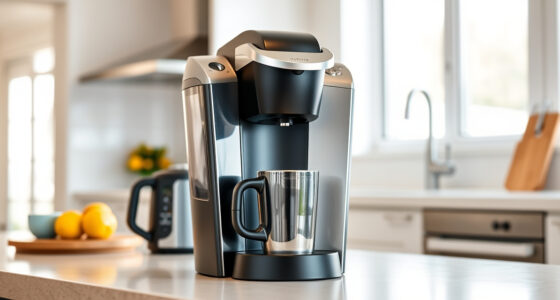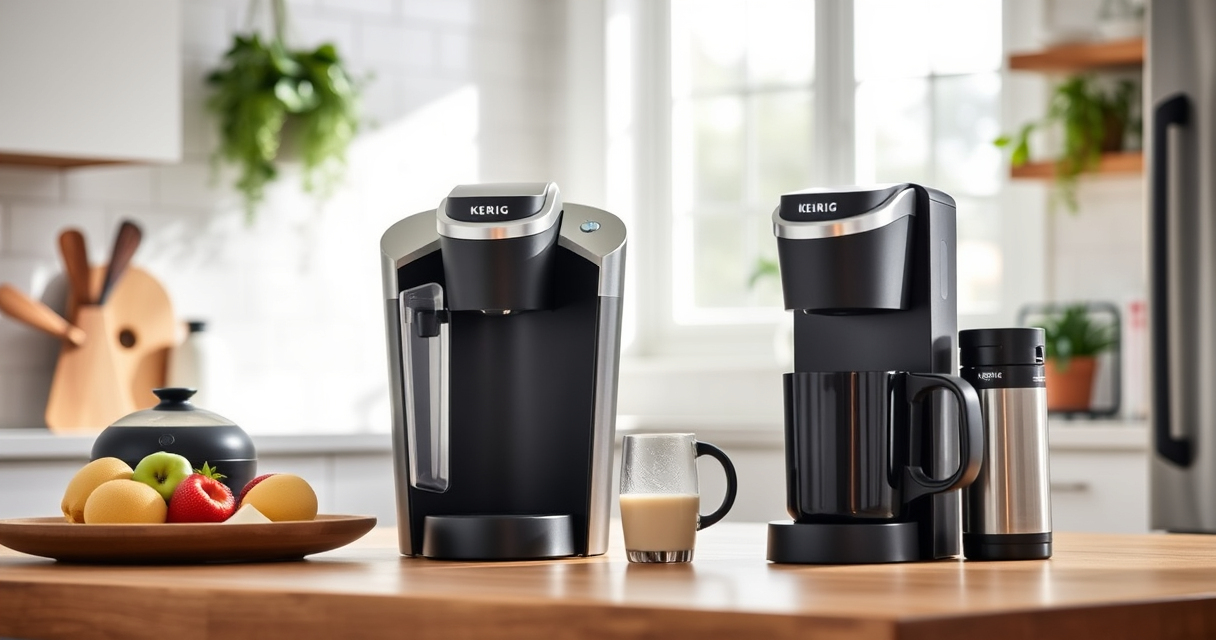
If your Keurig K-Mini is brewing coffee that tastes off, it can be frustrating. Often, mineral build-up, cleaning issues, or water quality are to blame. Fortunately, many problems are simple to fix with proper cleaning and maintenance.

Get home appliances delivered free — and shop member deals
- Fast, free delivery on millions of items
- Access to Prime Big Deal Days deals on October 6–7
- Prime Video, Amazon Music and more included
This guide walks you through practical, safe steps to improve your coffee flavor and keep your Keurig brewing at its best.
Key Takeaways
| Mineral Buildup | Descaling improves taste by removing mineral deposits. |
| Cleaning Residue | Regular cleaning prevents flavor carry-over. |
| Water Quality | Use filtered water for clearer, better-tasting coffee. |
| Reusable Filter | Consider a reusable filter for fresh ground coffee. |
Check Your Water Quality
Start by ensuring you’re using clean, filtered water. Tap water with high mineral content can cause mineral buildup inside your machine, affecting taste. Switch to filtered or bottled water if possible.
Perform a Descaling Cycle
- Fill the water reservoir with a descaling solution or a mixture of equal parts water and white vinegar.
- Run a brew cycle without a K-Cup, allowing the solution to clean internal mineral deposits.
- Repeat with clean water to rinse out residual vinegar or solution.
Clean the Brew Basket and Needle
- Remove and clean the brew basket with warm, soapy water to remove coffee oils and residue.
- Use a paperclip or Keurig needle cleaning tool to clear any clogs in the needle that punctures K-Cups.
Use a Reusable Filter
Switch to a reusable filter like the My K-Cup to brew with your preferred ground coffee. This helps avoid flavor transfer from older K-Cups and allows you to control coffee freshness.
Regular Maintenance
Clean your Keurig monthly, descale every 3-6 months, and replace water filters as recommended. This maintains optimal performance and flavor quality.
The Products in This Guide
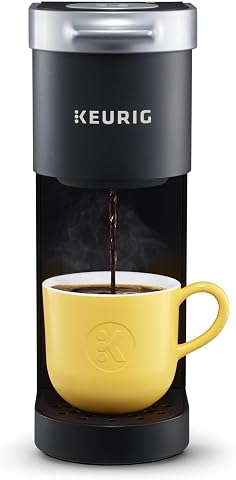
Keurig K-Mini Single Serve K-Cup Pod Coffee Maker
- ✔ Brew Size: 6-12oz
- ✔ Dimensions: Less than 5 inches wide
- ✔ Color: Matte Black
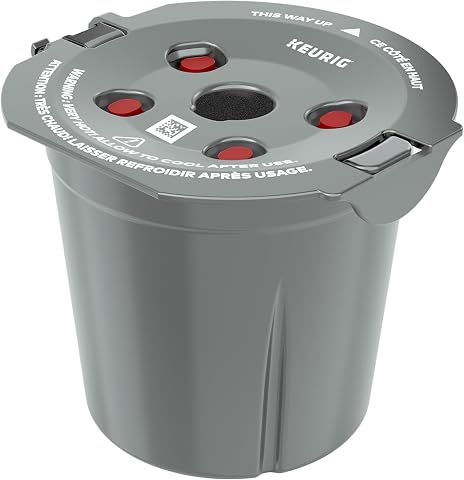
My K-Cup® Reusable Coffee Filter
- ✔ Compatibility: Keurig K-Mini & more
- ✔ Material: BPA-Free plastic
- ✔ Use: Ground coffee
Keurig K-Mini Single Serve K-Cup Pod Coffee Maker
<p>The Keurig K-Mini is perfect for small spaces, offering quick and fresh brews with minimal fuss. Its simple design makes it easy to clean and maintain, helping you enjoy better-tasting coffee daily.</p>
Pros:
- Fits Anywhere
- Fast Brewing
- Energy Efficient
- Removable Drip Tray
Cons:
- Limited Water Capacity
- No Programmable Features
- Requires Regular Descaling
Best for: Small kitchens, dorm rooms, offices
Not ideal for: Large households needing multiple cups at once
Bottom line: A compact, efficient brewer ideal for personal use with simple maintenance.
My K-Cup® Reusable Coffee Filter
<p>The My K-Cup Reusable Coffee Filter allows you to brew your own ground coffee, which can significantly improve flavor and freshness compared to pre-packaged pods. It’s easy to use and compatible with the Keurig K-Mini.</p>
Pros:
- Custom Coffee Blends
- Cost-Effective
- Eco-Friendly
- Easy to Clean
Cons:
- Requires Ground Coffee
- Slightly More Maintenance
- Not Suitable for K-Cup Pods
Best for: Coffee enthusiasts wanting control over flavor
Not ideal for: Users preferring quick, pod-based brewing
Bottom line: A smart upgrade for personalized, fresher coffee brewing.
Frequently Asked Questions
Why does my Keurig taste bad even after cleaning?
Mineral deposits, old residue, or water quality issues can cause bad taste. Descaling and regular cleaning help, along with using filtered water.
How often should I descale my Keurig?
Descale every 3-6 months depending on usage and water hardness to keep your coffee tasting fresh.
Can I use ground coffee in my Keurig?
Yes, with a reusable filter like the My K-Cup, you can brew with your favorite ground coffee for better flavor control.
What’s the best way to clean the needle?
Use a paperclip or Keurig cleaning tool to carefully clear any clogs in the needle to prevent brewing issues and flavor problems.
Keep Your Keurig Brewing Perfectly Tasty Coffee
Regular cleaning, descaling, and using quality water are key to preventing bad-tasting coffee. With a few simple steps, you can enjoy fresh, flavorful brews from your Keurig every day.
Affiliate disclosure: As an Amazon Associate we earn from qualifying purchases. Prices and availability are accurate as of the time of publishing.
Fall yard work Picks
leaf blowers
As an affiliate, we earn on qualifying purchases.