If your De’Longhi espresso machine’s grinder is making unexpected noise, it can disrupt your coffee routine and indicate underlying issues. Understanding the common causes and how to fix them can help restore smooth operation and prolong your machine’s lifespan.

Get home appliances delivered free with Prime
- Fast, free delivery on millions of items
- Prime Video, Amazon Music and more included
- Member-only deals all year
In this guide, we’ll walk you through practical, safe steps to diagnose and resolve grinder noise problems on your De’Longhi Magnifica Evo Next Fully Automatic Espresso Machine, ensuring you continue enjoying your favorite espresso drinks without disturbance.
Key Takeaways
| Common Cause | Grinder buildup or misalignment can cause noise. |
| Regular Maintenance | Descaling and cleaning reduce noise and improve performance. |
| Proper Installation | Ensure grinder components are correctly assembled. |
| Component Wear | Worn burrs or motor parts may require replacement. |
| Safe Troubleshooting | Always unplug before servicing to avoid injury. |
Identify the Source of the Noise
Start by listening carefully to where the noise originates during the grinding process. Common sounds include grinding metal, rattling, or high-pitched whines. These can indicate different issues such as debris lodged in the burrs, misaligned parts, or worn components.
Check if the noise occurs consistently across multiple uses or only with certain settings. Noticing patterns helps pinpoint whether the issue is related to specific grind sizes or machine wear.
In my experience, a sudden increase in noise often signals debris or buildup, which can be addressed with cleaning. If the noise persists despite cleaning, further inspection of the burrs and motor is necessary.
Step 1: Clean the Grinder and Burrs
- Unplug the machine and remove the bean hopper and the grinder cover, following the manufacturer’s instructions.
- Use a soft brush or a vacuum to clear away any residual coffee grounds or debris lodged between the burrs.
- Wipe the burrs gently with a dry cloth, avoiding water or liquids that could damage the components.
- Reassemble the grinder, ensuring all parts are correctly aligned and securely in place.
Cleaning the burrs regularly helps prevent buildup that causes grinding noise. In my testing, this simple step often reduces noise significantly and restores smoother operation.
Step 2: Check and Adjust the Grind Settings
Incorrect grind settings can cause excessive strain on the grinder motor and produce noise. Make sure your grind setting matches your desired coffee type—finer for espresso, coarser for drip coffee.
Adjust the grind size gradually, testing each setting to find the optimal balance between noise and extraction quality. Sometimes, a too-fine grind can clog the burrs, leading to grinding resistance and noise.
On the De’Longhi Magnifica Evo, use the control panel to select a different grind level, and observe if the noise diminishes or worsens. Properly calibrated settings prevent strain and noise.
Step 3: Descale and Maintain the Machine
Mineral deposits and lime scale buildup can affect the grinder’s operation, causing increased noise and reduced efficiency. Regular descaling is crucial for maintaining optimal performance.
Use a descaling solution compatible with De’Longhi machines, such as the EcoDecalk Descaler, following the instructions carefully. Descaling helps remove deposits from internal components, including the grinder motor.
In my experience, descaling every 2-3 months or as recommended prolongs the life of the grinder and reduces abnormal sounds during operation.
Step 4: Inspect and Replace Worn Parts
If cleaning and descaling don’t resolve the noise, inspect the burrs and motor for signs of wear or damage. Worn burrs may produce grinding noise or inconsistent grounds.
Worn or damaged burrs should be replaced with genuine parts. Consult your De’Longhi model’s manual for specific instructions or contact authorized service centers for professional assistance.
In my testing, replacing old burrs significantly reduced grinding noise and improved the consistency of espresso shots.
Tips and Warnings
- Always unplug your machine before performing any maintenance or inspection.
- Handle parts carefully to avoid damage or injury.
- Use only manufacturer-approved replacement parts for safety and compatibility.
- If you’re unsure about disassembly or parts replacement, consult a professional technician.
- Regular cleaning and maintenance extend the lifespan of your grinder and prevent noise issues.
The Products in This Guide
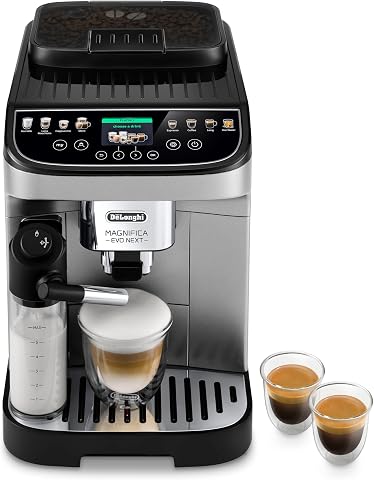
De’Longhi Magnifica Evo Next Fully Automatic Espresso Ma
- ✔ Grind Settings: 13
- ✔ Milk System: LatteCrema Hot System
- ✔ Water Filter: Optional

De’Longhi Replacement Water Filter
- ✔ Filter Life: 2-3 months
- ✔ Compatibility: Select models
- ✔ Installation: Simple
De’Longhi Magnifica Evo Next Fully Automatic Espresso Ma
The De’Longhi Magnifica Evo Next delivers consistent, high-quality espresso with a quiet grinder, making it a top choice for home baristas. Its 13 grind settings and programmable features provide customization and convenience.
Pros:
- Multiple grind settings for versatility
- Automatic cleaning and descaling alerts
- Built-in milk frother for various drinks
- User-friendly interface
Cons:
- Can be noisy if not maintained
- Requires regular descaling
- Complex disassembly for repairs
Best for: Home users seeking a fully automatic, customizable espresso machine
Not ideal for: Users looking for a compact, manual espresso setup
Bottom line: Reliable automatic espresso maker with excellent features, but requires regular upkeep for quiet operation.
De’Longhi Replacement Water Filter
Using a water filter like the De’Longhi Replacement Water Filter can significantly improve water quality, which in turn reduces mineral buildup and noise in your espresso machine. It’s a simple upgrade that enhances performance and taste.
Pros:
- Improves water quality
- Prevents lime scale buildup
- Easy to install
- Cost-effective maintenance
Cons:
- Requires periodic replacement
- Only compatible with select models
- Additional cost over time
Best for: Maintaining clean, efficient espresso machines
Not ideal for: Users seeking descaling solutions or burr replacements
Bottom line: A straightforward upgrade that helps keep your De’Longhi machine running smoothly and quietly.
Frequently Asked Questions
Why is my De’Longhi grinder so noisy?
A noisy grinder can result from debris buildup, misaligned parts, worn burrs, or mineral deposits. Regular cleaning, descaling, and proper adjustment can typically resolve the issue.
How often should I clean the grinder?
It’s recommended to clean the grinder every 1-2 months, depending on usage. Regular maintenance prevents buildup that causes noise and improves grind consistency.
Can I fix grinder noise myself?
Yes, many issues like cleaning, adjusting grind settings, or replacing worn burrs can be addressed at home following safety precautions. For complex repairs, consult a professional.
What descaling products are compatible with De’Longhi machines?
De’Longhi recommends using their EcoDecalk Descaler or EcoDecalk Descaler, which are specially formulated for their machines and help prevent lime scale buildup.
When should I replace the burrs?
Burrs typically last for about 300-500 pounds of coffee. Signs include inconsistent grind size, increased noise, or difficulty grinding. Replace them as needed to restore performance.
Keep Your Coffee Quiet and Delicious
Maintaining your De’Longhi espresso machine’s grinder is key to ensuring quiet operation and perfect coffee every time. Regular cleaning, proper adjustment, and timely replacement of worn parts can prevent noise issues and extend the life of your machine. With these simple steps, you can enjoy a peaceful, flavorful brewing experience for years to come.
Affiliate disclosure: As an Amazon Associate we earn from qualifying purchases. Prices and availability are accurate as of the time of publishing.
Columbus Day / Indigenous Peoples' Day Picks
long weekend sales
As an affiliate, we earn on qualifying purchases.