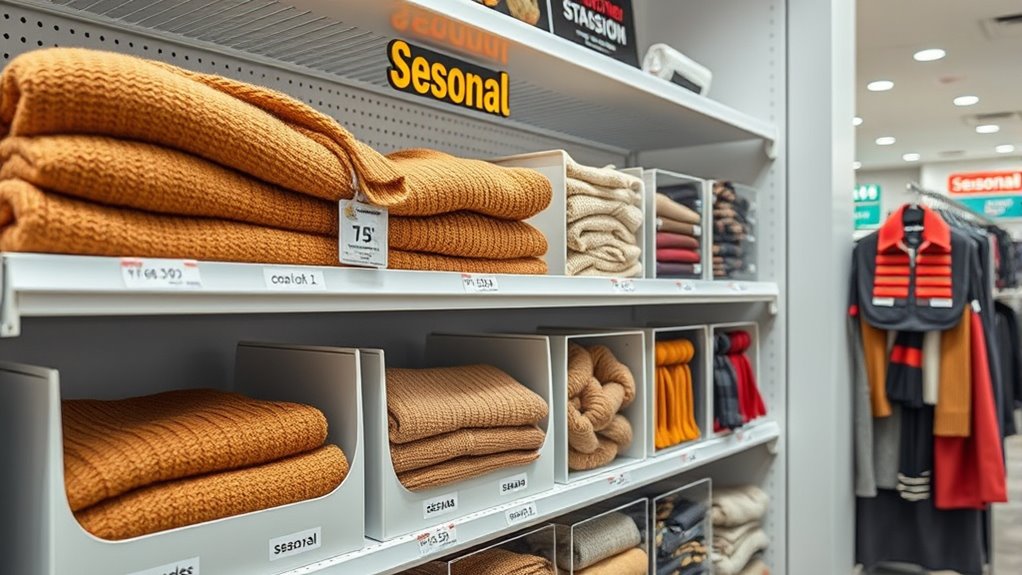

Implementing a seasonal rotation system helps you manage off-season items smartly by clearing clutter, optimizing space, and reducing waste. By tracking sales and seasonal trends, you can plan ahead to store or display products at the right time, making your store more appealing and efficient. Rotating inventory ensures your shelves stay fresh and relevant, boosting customer satisfaction. Keep going to discover more ways to refine your seasonal inventory strategy.
Key Takeaways
- Plan and track sales trends to determine optimal timing for rotating off-season items.
- Store off-season products in designated areas to free up space for current-season displays.
- Reintroduce stored items at the right season to keep displays fresh and relevant.
- Use visual techniques like contrast to highlight seasonal changes and attract customer attention.
- Manage inventory levels proactively to minimize markdown costs and reduce waste.

Have you ever wondered how farms and gardens maintain healthy soil and maximize crop yields throughout the year? The same principles apply to managing seasonal inventory in retail or storage businesses. Implementing a seasonal rotation system isn’t just about keeping things organized; it’s about optimizing inventory management and improving customer experience. When you strategically rotate off-season items, you prevent clutter, reduce waste, and ensure that your customers are always able to find what they’re looking for—all while making the most of your space and resources.
Effective inventory management starts with understanding the ebb and flow of demand throughout the year. By tracking sales patterns and seasonal trends, you can plan ahead for when to stock up on off-season items and when to clear space for seasonally relevant products. This proactive approach not only helps avoid overstocking or understocking but also ensures that your inventory stays fresh and appealing. When customers visit your store, they see a well-curated selection that feels current and relevant, which enhances their overall experience. They’re more likely to find what they want and leave satisfied, knowing you’ve put thought into stocking the right items at the right times.
Understanding seasonal demand helps keep your inventory fresh, relevant, and appealing to customers year-round.
Rotating off-season items out of prime display areas also allows you to maximize your space. Instead of cluttering shelves with items unlikely to sell anytime soon, you can store them neatly away or move them to designated off-season zones. This makes your store easier to navigate, and customers won’t feel overwhelmed by irrelevant options. Plus, when the season changes, you can efficiently bring those stored items back into visibility, creating a fresh shopping experience that feels new and exciting—without the hassle of last-minute chaos. Additionally, understanding the importance of contrast ratio in visual presentation can help you arrange displays that attract attention and improve sales.
Another benefit of a seasonal rotation system is reducing waste and markdowns. When you have a clear plan for off-season items, you can avoid the need for deep discounts just to clear excess stock. Instead, you can manage inventory levels carefully, aligning stock with expected demand. This not only preserves your profit margins but also maintains a positive customer experience. Customers appreciate consistency and quality, and knowing that your store is well-organized and thoughtfully stocked reassures them they’re shopping at a reliable retailer.
In short, adopting a seasonal rotation system transforms how you manage inventory and serve your customers. It streamlines operations, keeps your space uncluttered, and ensures that your customers always receive a satisfying shopping experience. By planning ahead and rotating stock methodically, you create a smarter, more efficient environment that benefits everyone involved.
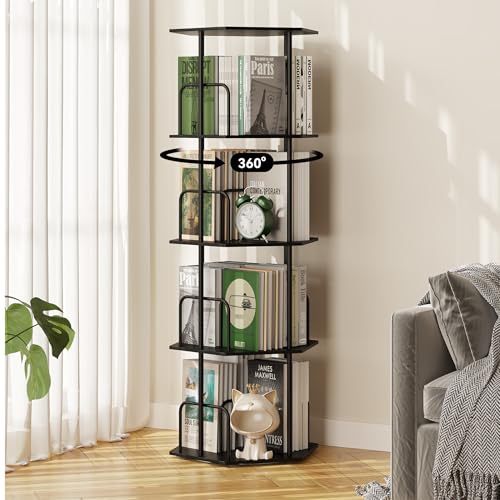
SUNMORY 4 Tier Rotating Bookshelf Tower, Revolving 360 ° Spinning Bookcase
- 360° Rotating Design: Allows effortless access from all angles
- Sturdy Hexagonal Frame: Provides stability and high storage capacity
- Large Tier Spacing: Fits oversized books easily
As an affiliate, we earn on qualifying purchases.
As an affiliate, we earn on qualifying purchases.
Frequently Asked Questions
How Do I Determine the Best Off-Season Items to Store?
You should start by analyzing your sales data to identify which products have consistent demand year-round, then use inventory forecasting to predict future off-season needs. Focus on items that offer good profit margins and storage efficiency to optimize your space. By understanding your sales patterns, you can better decide which items to store off-season, ensuring you maximize storage optimization and reduce unnecessary inventory costs.
What Are the Common Mistakes in Seasonal Rotation?
You often make mistakes in seasonal rotation by neglecting accurate inventory forecasting, which leads to overstocking or shortages. Failing to coordinate with suppliers can cause delays or mismatched stock levels. You might also rotate items too early or too late, reducing their value. To avoid these errors, plan carefully, communicate regularly with suppliers, and use data to predict demand precisely. This ensures smooth off-season storage and minimizes waste.
How Often Should I Review and Update My Inventory?
You need to review and update your inventory at least monthly—otherwise, you’re risking a stockpile of outdated items or missed sales. Regular inventory forecasting helps you stay ahead, and maintaining strong supplier coordination guarantees you get the right products at the right time. By staying vigilant, you keep your inventory fresh, accurate, and ready to meet customer demand without overstocking or shortages.
What Technology Tools Assist in Managing Seasonal Stock?
Managing seasonal stock is easier with the right technology tools. You should look for inventory tracking systems that offer real-time updates, so you always know what’s in stock. Cloud software is especially helpful because it allows you to access data from anywhere and collaborate seamlessly. These tools help you plan, forecast, and rotate your off-season items efficiently, preventing overstocking and ensuring your inventory stays optimized year-round.
How Can I Prevent Spoilage or Damage During Storage?
To prevent spoilage or damage during storage, you should focus on proper shelving and climate control. Use sturdy, well-organized shelving to avoid crushing or misplacing items. Maintain appropriate temperatures and humidity levels to keep products fresh and safe. Regularly inspect storage areas for any issues, like leaks or pests. By implementing these strategies, you guarantee your inventory stays in ideal condition, reducing waste and preserving quality over time.

Pyle Snowmobile Cover, Waterproof, Heavy Duty, Marine Grade Polyester, 113" Length, Quick Release Buckle, Dual Air Vents, Non-Scratch Liner, Elastic Cord, UV Resistant, Durable Protection
- Size Compatibility: Fits snowmobiles up to 113 inches
- Material: Marine grade 300 Denier polyester
- Waterproof: Provides reliable moisture protection
As an affiliate, we earn on qualifying purchases.
As an affiliate, we earn on qualifying purchases.
Conclusion
So, next time you’re sweating over what to do with those off-season items, remember: a smart rotation system isn’t just about organization — it’s about staying ahead of the fashion curve and pretending you’re a retail genius. Who knew that storing off-season stuff could be your secret weapon for endless wardrobe refreshes? So go ahead, master the art of seasonal rotation, and watch your closet stay chic and your friends wonder how you always stay so trendy.
retail display contrast techniques
As an affiliate, we earn on qualifying purchases.
As an affiliate, we earn on qualifying purchases.

Warehouse Management and Inventory Control System
As an affiliate, we earn on qualifying purchases.
As an affiliate, we earn on qualifying purchases.