
TL;DR

Get home appliances delivered free with Prime
- Fast, free delivery on millions of items
- Prime Video, Amazon Music and more included
- Member-only deals all year
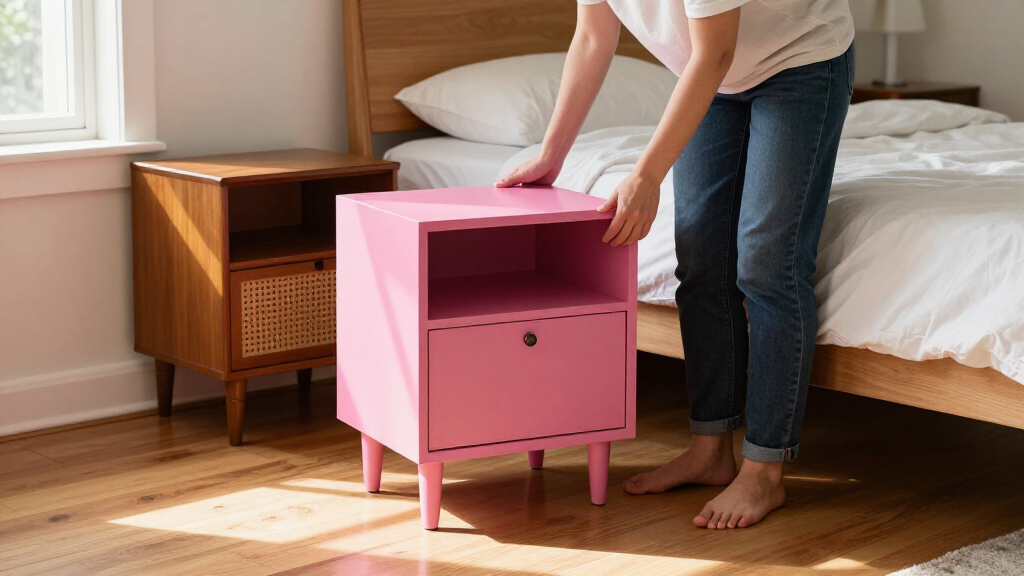
A homeowner traded her vintage 1930s nightstand for a pink furniture piece from Wayfair. The swap illustrates a rising interest in online home decor exchanges, driven by social media trends and changing aesthetic preferences.
A homeowner has publicly shared that she traded her vintage 1930s nightstand for a pink furniture piece purchased from Wayfair, illustrating a growing trend of online home decor exchanges. This swap has attracted attention from social media users and home decor enthusiasts, reflecting changing tastes and the influence of digital platforms on personal interior decisions.
The individual, whose identity has not been disclosed, posted her swap experience on social media, showing a side-by-side comparison of her original antique nightstand and the pink Wayfair find she received in exchange. The post has garnered significant engagement, with many viewers expressing interest in similar trades or in the aesthetic appeal of the new piece.
While the original nightstand dates back to the 1930s and is valued for its vintage character, the pink Wayfair item is a modern, brightly-colored piece that aligns with current interior design trends favoring bold, playful accents. The trade was reportedly arranged through an online community focused on home decor swaps, although specific details about the transaction remain unconfirmed.
This case exemplifies a broader pattern of consumers reimagining and exchanging furniture via social media and online marketplaces, often motivated by aesthetic preferences, affordability, or the desire for unique, personalized home spaces. Experts note that such exchanges are increasingly common as digital platforms facilitate peer-to-peer trades outside traditional retail channels.
Impact of Online Swaps on Home Decor Trends
This exchange highlights a shift in how homeowners approach interior design, emphasizing personalization and community-driven trends. The rise of social media platforms has made it easier for individuals to share their decor choices and swap items, fostering a culture of sustainability and creative reuse. For consumers, this means more options to refresh their spaces affordably and uniquely, often driven by viral trends or peer influence.
Additionally, the swap underscores the influence of online marketplaces like Wayfair in shaping consumer preferences, with digital shopping becoming increasingly integrated into personal home styling. The trend could impact furniture retail strategies, encouraging brands to engage more with social media and peer-to-peer exchanges.
Products Worth Considering

Dreame G10 Pro Wet and Dry Vacuum Mop

Levoit Eleva 300X Air Purifier with Sealed HEPA Filtration

Shark HydroVac MessMaster Wet/Dry Vacuum & Mop Combo (AW261)
As an affiliate, we earn on qualifying purchases.
Growing Popularity of Home Decor Swaps and Online Trading
Interest in home decor swaps and online furniture exchanges has been rising over recent years, fueled by social media platforms like Instagram and TikTok. Users share their decorating journeys, often showcasing before-and-after images, and participate in community-driven trades. The trend is linked to broader movements toward sustainability, affordability, and individual expression in interior design.
While specific data on the scale of these swaps is limited, anecdotal reports and viral posts suggest increasing participation, especially among younger homeowners and renters. The current trend appears to be unconfirmed but is gaining momentum as more people seek personalized, cost-effective ways to update their homes without relying solely on traditional retail purchases.
Industry analysts note that the COVID-19 pandemic accelerated online shopping and home improvement interest, which may have contributed to this phenomenon. However, detailed market research on the prevalence of furniture swaps remains unavailable at this stage.
Extent and Future of Furniture Swapping Trends
It is not yet clear how widespread this swapping trend is or whether it will sustain long-term growth. Data on the scale of online furniture exchanges remains limited, and the phenomenon appears to be driven largely by viral social media posts and niche communities. Future developments could see more formalized platforms or shifts in consumer behavior, but these remain unconfirmed.
As interest in online furniture swaps grows, more individuals may share their experiences, potentially leading to increased participation. Industry observers will likely watch for new platforms or initiatives that facilitate these exchanges, as well as any shifts in consumer preferences influenced by viral trends. Follow-up reports may reveal whether this is a fleeting fad or a lasting movement in home decor.
Key Questions
Why are people swapping furniture online?
People are swapping furniture online to personalize their spaces affordably, participate in community trends, and promote sustainability by reusing items rather than buying new ones.
Is trading vintage furniture common?
While not yet mainstream, trading vintage furniture has gained popularity through social media, especially among enthusiasts who value unique, antique pieces.
What kind of furniture is typically traded?
Trades often involve vintage or unique pieces, like the 1930s nightstand in this case, as well as modern, colorful items like the pink Wayfair find, depending on personal taste and community preferences.
Are these swaps safe and reliable?
Safety and reliability vary; participants are advised to use trusted platforms, verify item conditions, and communicate clearly to ensure a positive exchange experience.
Source: rss