

To practice mindful consumption, start by noticing what triggers your impulsive buying, especially emotional or stressful ones. When you feel the urge, pause and ask yourself if the purchase aligns with your values. Replace reactive habits with deliberate actions like journaling or walking. Consistently practicing this shift weakens old patterns and builds new, intentional behaviors. If you keep applying these strategies, you’ll gradually transform how you respond to cravings and develop healthier habits.
Key Takeaways
- Identify emotional triggers that prompt impulsive purchases to increase awareness and manage consumption consciously.
- Replace reactive impulses with intentional actions like journaling or walking to weaken old habits.
- Practice consistency and mindfulness to reinforce new, sustainable consumption patterns over time.
- Use vetted strategies and tools to support habit formation and reduce emotional influence on buying decisions.
- Cultivate awareness of needs versus wants, gradually shifting toward value-driven, mindful consumption.

Understanding habit formation is key to creating lasting change. Habits develop over time through repeated behaviors reinforced by emotional triggers. For example, if you habitually buy fast fashion whenever you’re feeling down, that pattern becomes ingrained, making it harder to break free. But the good news is, habits can be reshaped. By consciously replacing a reactive impulse with a deliberate action—like choosing to donate or repair instead of buying new—you create new pathways in your brain. Consistency is essential; the more you practice these new behaviors, the more automatic they become. Over time, mindful choices become your default, reducing the influence of emotional triggers that once led to unnecessary consumption. Incorporating tools like a vetted approach to sustainability can further support your efforts. To build these new habits, start small. When you notice an emotional trigger prompting a purchase, take a deep breath and ask yourself whether the item aligns with your core values, such as sustainability or fairness. Replace the urge to buy with a different activity—perhaps journaling your feelings, going for a walk, or practicing gratitude. These alternatives help weaken the association between emotional states and impulsive consumption. As you reinforce these new behaviors, you’ll notice a shift in how you approach your needs and wants, making mindful consumption more natural.

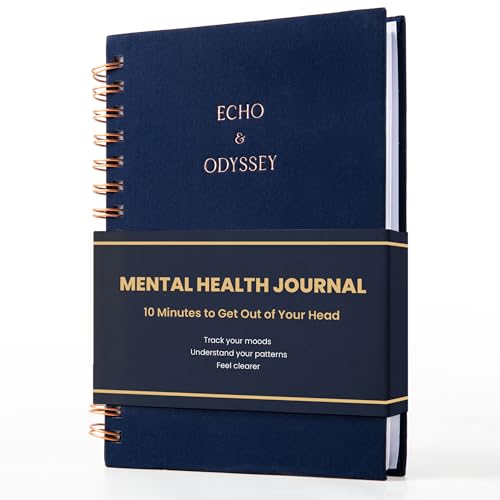
The Mindful Consumption Journal: A Journey from Passive Intake to Active Reflection
As an affiliate, we earn on qualifying purchases.
As an affiliate, we earn on qualifying purchases.
Frequently Asked Questions
How Can I Identify Subconscious Consumption Triggers?
To identify subconscious consumption triggers, pay attention to your habit loops involving subconscious cues. Notice when you reach for certain products or spend money without thinking—these are often driven by specific triggers like emotions, environments, or routines. Keep a journal to track your feelings and surroundings during these moments. Over time, you’ll recognize patterns, helping you become more aware of subconscious cues and make more mindful choices.
What Are Quick Tips to Start Mindful Shopping?
To start mindful shopping, set a clear budget plan before you go. Avoid impulse buying by making a shopping list and sticking to it. Take a moment to pause and ask yourself if you really need the item. Limit your time in stores or online shops to prevent unnecessary purchases. These quick tips help you stay conscious of your spending habits and reduce impulsive buys.
How Does Emotional State Influence Buying Habits?
You might think your emotional state doesn’t affect your buying habits, but emotional triggers often drive impulsive urges. When you’re stressed, happy, or upset, you’re more likely to make spontaneous purchases to boost mood or soothe feelings. Recognizing these emotional triggers helps you pause before acting on impulsive urges, giving you control. Practicing mindfulness allows you to understand and manage your emotional state, leading to more intentional, healthier buying decisions.
Can Mindful Consumption Improve Financial Health?
Yes, mindful consumption can improve your financial health by helping you avoid impulse buying and increase budget awareness. When you stay present and reflect on your spending, you’re less likely to make impulsive purchases that strain your finances. Instead, you prioritize what’s essential, stick to your budget, and make intentional decisions. Over time, this mindful approach builds better financial habits, leading to greater savings and financial security.
What Role Does Community Support Play in Habit Change?
Sure, because nothing screams motivation like peer pressure, right? Community support plays a huge role in habit change by providing social accountability and peer motivation, making you less likely to slip back into old habits. When friends or groups hold you accountable, you’re more committed to your goals. So, surround yourself with people who cheer for your progress — or at least don’t mock your slip-ups.

Taja Undated Weekly Planner, Weekly To Do List Notebook with Goal & Habit Tracker Organizer, A5 Weekly Planner Notebook with Spiral Binding, 6.1" x 8.2" – Green
Efficient Weekly Planning – Utilize the 52 Weeks Undated Planner to articulate and prioritize weekly goals and to-do…
As an affiliate, we earn on qualifying purchases.
As an affiliate, we earn on qualifying purchases.
Conclusion
By recognizing your triggers, you gain control over impulsive choices, transforming habits that once ruled your life. Instead of letting temptation dictate your actions, you become the mindful observer, choosing purposefully. It’s easy to fall into old patterns, but with awareness, you can build new, healthier habits. Remember, the power lies within you—like a quiet river carving new paths—guiding your consumption toward fulfillment rather than fleeting desires. Your mindful choices shape your true well-being.
Growthedge Mental Health & Anxiety Journal – CBT Mood & Trigger Tracker
SETTLE THE NOISE: A daily reflection journal and guided journal with prompts to calm mental clutter in just…
As an affiliate, we earn on qualifying purchases.
As an affiliate, we earn on qualifying purchases.

How to Walk (Mindfulness Essentials)
As an affiliate, we earn on qualifying purchases.
As an affiliate, we earn on qualifying purchases.