
TL;DR
Thames Water has introduced a hosepipe ban across parts of southern England to manage drought conditions. The restriction is confirmed and aims to conserve water amid ongoing dry weather. The ban impacts millions and is part of wider water conservation efforts.
Thames Water has officially implemented a hosepipe ban across several areas in southern England, effective immediately, as a response to ongoing drought conditions. The restriction affects millions of residents and businesses, marking a significant step in water conservation efforts amid prolonged dry weather. This is the first widespread hosepipe ban announced by Thames Water in 2026, emphasizing the severity of the current drought.
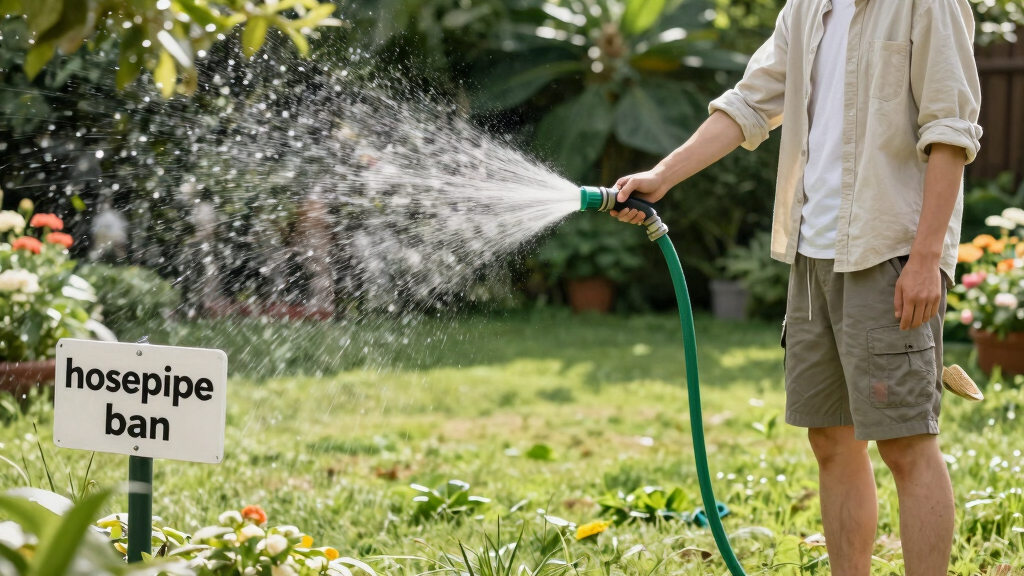
Thames Water confirmed on March 26, 2026, that it has introduced a hosepipe ban covering parts of Surrey, Berkshire, Hampshire, and Oxfordshire. The ban prohibits the use of hoses for watering gardens, washing cars, filling ponds, and other non-essential water uses. The company stated that the measure is necessary to prevent the depletion of local water sources and to ensure a sustainable supply for all customers.
According to Thames Water spokesperson Sarah Collins, “The drought has persisted longer than usual this year, and reservoir levels are dangerously low. The hosepipe ban is a vital step to reduce water consumption and protect our water sources for future needs.” The ban is expected to remain in effect until further notice, with Thames Water monitoring weather patterns and reservoir levels regularly.
Local authorities and environmental agencies have supported the move, citing the importance of water conservation during this period of low rainfall. The ban affects approximately 3 million residents and numerous businesses, with penalties of fines up to £1,000 for violations. Thames Water has also launched a public awareness campaign urging customers to reduce water usage in other ways, such as taking shorter showers and fixing leaks.
Impacts of the Hosepipe Ban on Residents and Environment
The hosepipe ban is a significant measure reflecting the severity of the drought and water scarcity in southern England. It aims to reduce household water consumption by an estimated 10-15%, helping to prevent further depletion of reservoirs and groundwater sources. The restriction underscores the importance of sustainable water management and highlights the potential for ongoing restrictions if dry conditions persist.
For residents and businesses, the ban means adjusting daily routines, with penalties for non-compliance. Environmentally, the measure helps protect local ecosystems, which are vulnerable to low water levels, especially in rivers and wetlands. The ban also signals the need for long-term water conservation strategies in the face of climate change and changing weather patterns.
As an affiliate, we earn on qualifying purchases.
Recent Drought Conditions and Past Water Restrictions
Southern England has experienced below-average rainfall since late 2025, leading to critically low reservoir levels. Thames Water reported that reservoir levels have fallen to 60% capacity, the lowest since records began. Previous measures included public appeals for water saving, but these proved insufficient to prevent the current situation.
This is the first formal hosepipe ban in the region for 2026, following a series of dry months and a lack of significant rainfall. Historically, Thames Water has implemented hosepipe bans during drought periods, with the last major ban occurring in 2022. Experts warn that if dry weather continues, further restrictions or water rationing could be necessary.
Government agencies and environmental groups have called for long-term investments in water infrastructure and conservation programs to mitigate future drought impacts.
“The drought has persisted longer than usual this year, and reservoir levels are dangerously low. The hosepipe ban is a vital step to reduce water consumption and protect our water sources for future needs.”
— Sarah Collins, Thames Water spokesperson

Spotless Water System for Car Wash, Deionized Water Filter with Resin
- Spotless Car Wash Resin System: Removes minerals for a spotless finish
- Advanced Deionization Technology: Effectively eliminates impurities and stains
- Traceless Water Filtration: Uses mixed bed resin for pure water
As an affiliate, we earn on qualifying purchases.
As an affiliate, we earn on qualifying purchases.
Uncertainties About Duration and Future Restrictions
It is not yet clear how long the hosepipe ban will remain in place, as Thames Water will continue to monitor reservoir levels and weather conditions. There is also uncertainty about whether additional restrictions or measures will be introduced if dry conditions persist or worsen.
Officials have not specified a specific end date, and future restrictions depend on rainfall and water usage patterns in the coming weeks.

GoveeLife Upgraded Smart Water Leak Detector 1s with High Alarm, 5 Pack
- Long-Range Connectivity: Up to 1804 feet through walls
- Multiple Notification Methods: SMS, Email, App alerts, Sound alarm
- User-Friendly App Features: Push notifications, Find device, Multi-user alerts
As an affiliate, we earn on qualifying purchases.
As an affiliate, we earn on qualifying purchases.
Monitoring, Public Compliance, and Possible Extensions
Thames Water will assess reservoir levels regularly and may lift the ban if conditions improve. The company plans to continue public awareness campaigns to encourage water-saving behaviors. Authorities will also monitor compliance and enforce penalties for violations.
Residents and businesses are advised to stay informed through Thames Water’s updates and local authorities. If drought conditions persist, further restrictions or water rationing measures may be announced.
As an affiliate, we earn on qualifying purchases.
Key Questions
How long will the hosepipe ban last?
The duration is currently uncertain and depends on weather conditions and reservoir levels. Thames Water will review the situation regularly and inform the public of any updates.
Who is affected by the ban?
The ban affects approximately 3 million residents and numerous businesses across Surrey, Berkshire, Hampshire, and Oxfordshire.
What are the penalties for violating the ban?
Penalties can include fines of up to £1,000 for individuals and businesses found using hoses in breach of the restrictions.
Can I still water my garden with a watering can?
Yes, the ban typically applies to hosepipe use, but watering gardens with a watering can is usually permitted. However, residents should check specific local regulations.
What can I do to conserve water during this time?
Residents are encouraged to take shorter showers, fix leaks, use water-efficient appliances, and avoid unnecessary water use to help reduce demand.
Source: google-trends