TL;DR

Get home appliances delivered free — and shop member deals
- Fast, free delivery on millions of items
- Access to Prime Big Deal Days deals on October 6–7
- Prime Video, Amazon Music and more included
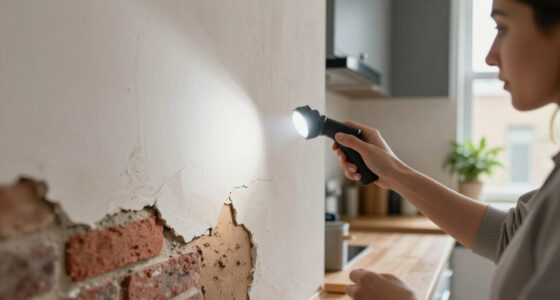
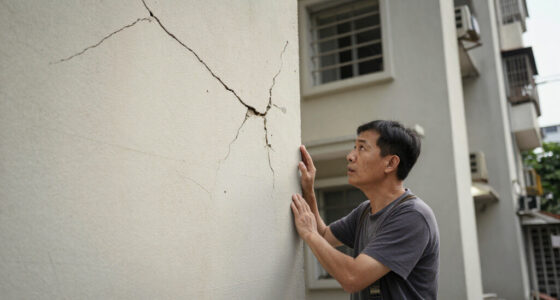
A Family Handyman winterization report identifies 10 areas to check for insulation gaps or air leaks, including attics, exterior walls, doors, pipes and ductwork. The report’s experts say insulation and air sealing can help retain heat, protect pipes and reduce HVAC strain, but the right fix depends on the location and conditions.
Family Handyman has published a winterization checklist urging homeowners to inspect 10 areas for missing insulation or air leaks before cold weather. The report’s roofing and HVAC sources say attention to attics, walls, doors, pipes and other openings can help keep heat inside and reduce the risk of frozen plumbing and added strain on heating systems.
The checklist puts attic and roof spaces first. Roofer Andre Kazimierski of HomeHero Roofing says aging roofs can develop gaps that let cold air into the attic and eventually the living space. He recommends a roof inspection, sealing gaps and adding insulation where needed. In a vented attic, the report says, insulation on the attic floor can separate the space from the heated rooms below. Fiberglass batts or blown-in insulation are among the options it names.
The report also points to exterior walls, windows and doors. Contractor Bob Cardwell of Cardwell HVAC says finished walls may be candidates for blown-in insulation, while spray foam can seal gaps. For doors and windows, he recommends checking rubber seals and weatherstripping for deterioration and replacing them when necessary. A foam door sweep can help limit drafts at the bottom of an exterior door.
For plumbing, the advice focuses on pipes near exterior walls and in unheated areas such as attics, basements and crawl spaces. Cardwell recommends foam sleeves for exposed pipes in relatively protected areas and says electric heat cables may be appropriate where temperatures regularly fall below 32 degrees Fahrenheit. Other areas on the checklist include basement and crawl-space gaps, the wall or ceiling between a garage and the home, leaking HVAC duct joints, and small openings around electrical outlets, pipes and wires.
Where Heat Escapes First
The checklist matters because insulation and air sealing address different routes for heat loss. Insulation slows heat transfer through building materials; sealing gaps reduces drafts. Kazimierski says sealing alone is not enough to keep a home warm, while the report presents both steps as parts of winter preparation.
Cold air entering through a basement rim joist or an attic opening can affect comfort and heating demand. Pipes in cold, unheated spaces face a separate concern: freezing. The report says insulating hot-water pipes can also reduce heat loss from the water. These are general recommendations, however; it gives no measured savings, predicted bill reductions or guarantee that a particular repair will prevent a pipe from freezing.
A Seasonal Home Checklist
The source frames the advice as a fall inspection routine, rather than a requirement to insulate every part of every home. It says garages generally do not need full insulation, but recommends insulating a garage wall shared with the house. If the garage is finished and used for activities beyond parking, the report suggests treating its walls and ceiling more like the rest of the home.
Existing conditions matter. The report advises checking window and door seals rather than replacing them automatically every year. For ductwork, Cardwell says homeowners can feel for escaping air while the system is running, particularly around exposed ducts in an attic, crawl space or basement. For repairs, he recommends mastic or UL-listed foil tape; he says ordinary duct tape can dry out and perform poorly on HVAC ducts.
The checklist identifies 10 areas: attic and roof spaces; exterior walls; windows and doors; pipes and plumbing; basement and crawl space; garage walls and ceilings; HVAC ductwork; electrical outlets; gaps around pipes; and gaps around wires. Several of the last items are small openings that may be handled during the same inspection.
“Sealing gaps goes a very long way with improving overall insulation.”
— Andre Kazimierski, HomeHero Roofing
Costs and Home Conditions Vary
The source does not provide cost estimates, energy-savings figures or a home-by-home assessment. It does not establish how much insulation any reader’s home needs, whether existing materials are in good condition, or which products suit a particular climate or building. The best repair can depend on moisture, access, ventilation and the construction of the home.
The source’s FAQ begins to discuss whether spring or fall is the best time to add attic insulation, but the supplied material ends before the answer is complete. It therefore does not establish a preferred season for that work. Its suggestions about foam, heat cables and duct sealing are attributed recommendations, not a site-specific inspection or installation plan.
Inspect, Then Choose Repairs
Homeowners can use the checklist to inspect seals, exposed pipes, attic insulation and accessible duct joints before winter, then decide which gaps or weak spots need attention. The report recommends a roofer’s inspection for an old or weathered roof and notes that some pipes may need protection suited to how cold their location gets. Any installation should follow product instructions and local requirements; the checklist does not specify a universal solution for every home.
Key Questions
What should homeowners insulate first?
The report prioritizes attic and roof spaces, citing roofer Cody Purtle’s point that warm air rises and can escape through an inadequately insulated attic. It also recommends checking for roof gaps and drafts.
Do all water pipes need insulation?
No. The checklist focuses on pipes near exterior walls and unheated spaces, including attics, basements and crawl spaces. It also recommends insulating hot-water pipes to limit heat loss.
How can I check windows and exterior doors?
Inspect rubber seals and weatherstripping for shrinkage, brittleness or gaps. Replace damaged material as needed, and consider a foam sweep at the bottom of exterior doors to reduce drafts.
What should I use to seal leaking HVAC ducts?
Cardwell recommends mastic or UL-listed foil tape for leaking joints and seams. He says ordinary duct tape can dry out and work poorly on HVAC ducts.
Source: rss
NFL season / tailgating Picks
team gear
As an affiliate, we earn on qualifying purchases.