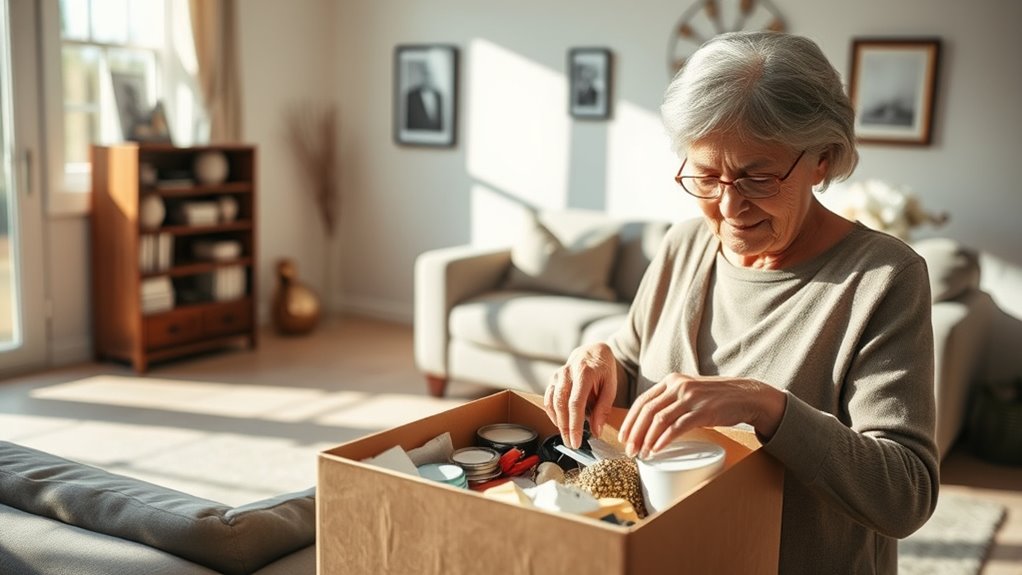

Decluttering for seniors means approaching downsizing with care and respect for your emotional attachments. Focus on keeping items that bring joy or hold meaningful memories, and consider taking photos of keepsakes you choose to let go. Enlist support if needed, and take a gradual approach to organize your space safely and comfortably. This process helps create a peaceful environment that honors your history while promoting independence—discover how to do it thoughtfully and compassionately.
Key Takeaways
- Approach decluttering gradually to reduce overwhelm and respect emotional attachments.
- Use photos to preserve memories, allowing seniors to let go of physical keepsakes.
- Enlist trusted family, friends, or professionals for support and guidance.
- Prioritize safety and organization with appropriate storage solutions and a clutter-free environment.
- Focus on creating a living space that balances practicality, dignity, and personal history.

Have you ever felt overwhelmed by the clutter in your home? It’s a common experience, especially when you’ve accumulated belongings over the years. Decluttering can seem like an overwhelming task, but it’s often a necessary step to make your living space more manageable and comfortable. When you’re downsizing, it’s important to approach the process with care, balancing the need for a simplified environment with the desire to preserve cherished memories and emotional attachments.
One of the main challenges in decluttering is deciding what to keep and what to let go. You might worry that parting with certain items will erase memories or diminish the sentimental value attached to them. However, it’s helpful to focus on memory preservation rather than just possessions. Take photos of items that hold special significance but are no longer practical or feasible to keep. These images can serve as lasting reminders of the moments, people, or milestones associated with those belongings. This way, you maintain the emotional connection without being overwhelmed by physical clutter.
Focus on preserving memories through photos to keep emotional connections without physical clutter.
It’s also essential to recognize that emotional attachment is natural, especially when you’ve spent years collecting items that tell your story. You don’t have to feel guilty about holding onto certain keepsakes. Instead, prioritize what truly matters—those items that evoke strong feelings or memories that bring you joy. Be mindful that clutter can sometimes hinder your daily routine and even impact your mental well-being, so gently let go of items that no longer serve a purpose, even if they’re emotionally significant.
When tackling your belongings, consider enlisting help from a trusted family member, friend, or professional organizer who understands your attachment to certain items. They can offer perspective and support, helping you focus on what’s truly important. Remember, decluttering isn’t about discarding everything; it’s about creating a space that reflects your current lifestyle while honoring the memories that are meaningful to you. Keep in mind that maintaining a clutter-free environment can promote safety, independence, and peace of mind in your daily life.
Additionally, choosing the right storage solutions, such as appropriate projectors, can help you organize keepsakes and photos efficiently, making it easier to access your cherished memories without creating clutter. Ultimately, decluttering for seniors is a gentle process that respects your emotional connections. By carefully choosing what to keep and how to preserve your memories, you can create a living space that’s both functional and filled with the warmth of your life’s story. It’s about balancing practicality with sentiment, ensuring you feel comfortable and proud of your home’s new, simplified form.

Extra Large Pill Organizer 2 Times a Day – XL Pill Box 7 Day with Big AM/PM Compartments – Fits Large Vitamins, Supplements & Gummies, for 7 or 14-Day Use, Color-Coded, Senior-Friendly, No Spills
Extra-Large Capacity – Fits 60% more than standard organizers. Spacious compartments easily hold oversized capsules, gummies, or multiple…
As an affiliate, we earn on qualifying purchases.
As an affiliate, we earn on qualifying purchases.
Frequently Asked Questions
How Do I Handle Sentimental Items During Decluttering?
When handling sentimental items, start with sentimental sorting by choosing the most meaningful pieces that truly evoke memories. You can preserve memories by taking photos of items you can’t keep and creating a digital album. Set clear limits for what you keep, focusing on quality over quantity. Involve family members to share stories and decide together, ensuring your sentimental items are honored while making your space manageable.
What if Family Members Disagree on What to Keep?
When family members disagree on what to keep, it is crucial to foster family consensus through open communication. Use decision-making strategies like setting clear criteria, prioritizing sentimental value, and listening carefully to everyone’s perspectives. Encourage compromise and focus on the senior’s wishes. Remember, patience and empathy help resolve conflicts, making the process smoother and ensuring everyone feels heard and respected.
How Can I Stay Motivated Throughout the Decluttering Process?
To stay motivated during decluttering, set small, achievable goals and celebrate each success to build your confidence. Use motivational strategies like visualizing your ideal space and reminding yourself of the benefits of decluttering. Establish decluttering habits, such as dedicating a specific time each day, to keep momentum. Keep in mind that progress, no matter how small, brings you closer to a peaceful, manageable living environment, so stay positive and persistent!
Are There Specific Tools to Help Seniors Declutter Safely?
Yes, you can use assistive devices like grab bars, reaching tools, and lightweight carts to make decluttering safer. Safety equipment such as non-slip mats, sturdy gloves, and knee pads also helps prevent falls and injuries. These tools enable you to handle belongings comfortably and securely, reducing risks. Incorporate them into your process to stay safe, confident, and in control while downsizing with dignity.
How Do I Manage Emotional Attachment to Possessions?
To manage emotional attachment to possessions, focus on building emotional resilience by acknowledging your feelings and giving yourself time to grieve. Remember, it’s about memory preservation, not just objects. Consider taking photos of sentimental items before letting them go. You might also create a special keepsake box with select items. This approach helps honor your memories while making decluttering manageable and respectful of your emotional needs.
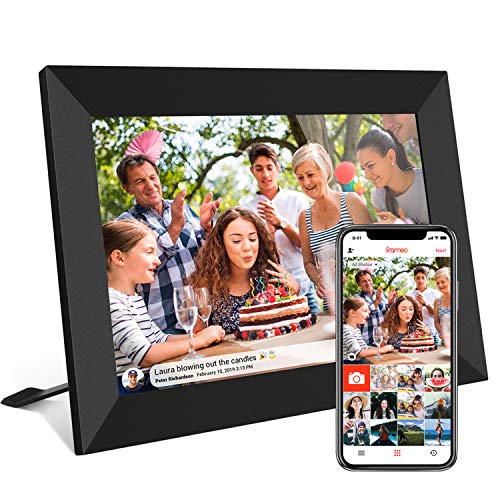
32GB FRAMEO 10.1 Inch Smart WiFi Digital Photo Frame 1280×800 IPS LCD Touch Screen, Auto-Rotate Portrait and Landscape, Built in 32GB Memory, Share Moments Instantly via Frameo App from Anywhere
【SHARE PHOTOS AND VIDEO PRIVATELY, SAFELY】 Send photos or small videos (Max.15 seconds) directly to FRAMEO APP from…
As an affiliate, we earn on qualifying purchases.
As an affiliate, we earn on qualifying purchases.
Conclusion
As you embrace the process of decluttering, remember it’s more than just tidying up—it’s about creating a cozy, manageable space that truly feels like home. Downsizing with dignity allows you to cherish what matters most, while gracefully letting go of the rest. Think of it as making room for new memories and adventures ahead. With patience and kindness, you’ll find that this journey brings a renewed sense of comfort and freedom.

3-Pack WATER BOTTLE Opener ERGO OPENER | Arthritis Sufferers Elderly Seniors Weak Hands | Easy Twist-Off Plastic Bottle Opening Tool Travel On-Go | Carpal Tunnel | MADE in USA
Includes: Set of 3 Water Bottle Openers – Patented Technology
As an affiliate, we earn on qualifying purchases.
As an affiliate, we earn on qualifying purchases.

ZXHQ Password Book with Colorful Alphabetical Tabs, 8.4" x 5.8" Hardcover Password Keeper & Internet & Login Organizer for Seniors, Home & Office, Sea Green
Never Forget a Password Again: Tired of forgetting your passwords? Say goodbye to the frustration of constantly juggling…
As an affiliate, we earn on qualifying purchases.
As an affiliate, we earn on qualifying purchases.