
If your Keurig K-Mini Single Serve Coffee Maker isn’t brewing a full cup, it can be frustrating. Often, this issue stems from mineral buildup, clogs, or water reservoir problems. The following guide provides clear, actionable steps to troubleshoot and fix this common problem safely and effectively.

Get home appliances delivered free with Prime
- Fast, free delivery on millions of items
- Prime Video, Amazon Music and more included
- Member-only deals all year
Before starting, ensure your machine is unplugged and cooled down. Gather some cleaning supplies like white vinegar, descaling solution, or rinse pods for optimal results.
Key Takeaways
| Check for mineral buildup | Descale your machine regularly to prevent clogs. |
| Inspect water reservoir | Ensure it’s filled correctly and seated properly. |
| Clean the needle and exit area | Remove coffee grounds or debris blocking water flow. |
| Examine the brew basket | Make sure it isn’t clogged or misaligned. |
| Perform descaling | Use descaling products to remove mineral deposits. |
Step 1: Check Water Level and Reservoir
- Ensure the water reservoir is filled with fresh water.
- Remove and reinsert the reservoir to confirm it’s seated properly.
Step 2: Clean the Brew Path and Needle
- Unplug the machine and remove the water reservoir.
- Use a paperclip or Keurig needle cleaning tool to clear any clogs in the needle that punctures the K-Cup.
- Wipe the exit area with a soft cloth to remove any residue.
Step 3: Run a Descaling Cycle
- Fill the water reservoir with equal parts white vinegar and water or use a descaling solution.
- Run a brew cycle without a K-Cup, letting the machine run until the reservoir is empty.
- Repeat with fresh water to rinse out any vinegar or descaling solution.
Step 4: Check for Proper Placement and Function
Make sure the K-Cup or reusable filter is correctly placed and not causing a blockage. Also, verify the brew basket is aligned properly.
Additional Tips and Warnings
- Perform descaling every 3-6 months to prevent mineral buildup.
- Never force the water reservoir or other components to avoid damage.
- Use only approved descaling products or vinegar for cleaning.
The Products in This Guide
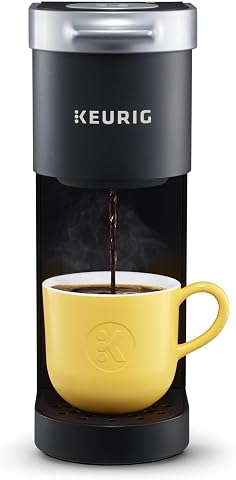
Keurig K-Mini Single Serve K-Cup Pod Coffee Maker
- ✔ Weight: 4.4 lbs
- ✔ Mug Compatibility: Up to 7 inches tall
- ✔ Cord Storage: Yes
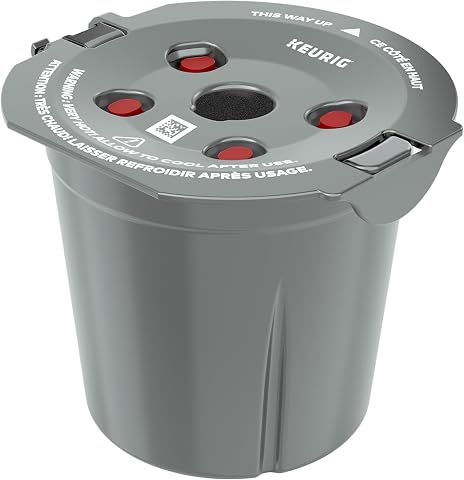
My K-Cup® Reusable Coffee Filter
- ✔ Size: Fits standard K-Cup holder
- ✔ Reuse: Yes
- ✔ Cleaning: Dishwasher safe
Keurig K-Mini Single Serve K-Cup Pod Coffee Maker
The Keurig K-Mini is a compact and efficient single-serve coffee maker ideal for small spaces. Its simple design makes cleaning and maintenance straightforward, helping prevent brewing issues like incomplete cups.
Pros:
- Space-saving design
- Fast brew times
- Easy to clean
- Removable drip tray
Cons:
- Limited water reservoir
- No on/off switch
- Requires regular descaling
Best for: Small kitchens, offices, dorm rooms
Not ideal for: Large households needing multiple cups at once
Bottom line: A compact, reliable choice for quick coffee, with easy maintenance to keep brewing full cups.
My K-Cup® Reusable Coffee Filter
The My K-Cup® Reusable Coffee Filter allows you to brew your favorite ground coffee with the Keurig K-Mini, giving you more control over your brew and avoiding potential clogging from K-Cup pods.
Pros:
- Cost-effective
- Eco-friendly
- Brews with ground coffee
- Easy to clean
Cons:
- Requires measuring coffee
- Clogs possible if not cleaned
- Less convenient than pre-packaged pods
Best for: Coffee enthusiasts who prefer ground coffee
Not ideal for: Users seeking quick, no-fuss brewing
Bottom line: Perfect for those wanting fresh ground coffee and more brewing flexibility.
Frequently Asked Questions
Why is my Keurig not brewing a full cup?
This can be caused by mineral buildup, clogs in the needle or brew path, or an improperly seated water reservoir. Regular descaling and cleaning help prevent this issue.
How often should I descale my Keurig?
It’s recommended to descale every 3 to 6 months, depending on your water hardness and usage frequency.
Can I use vinegar to clean my Keurig?
Yes, a mixture of equal parts white vinegar and water is effective for descaling. Rinse thoroughly with water afterward to remove any vinegar taste.
What should I do if my machine still doesn’t brew full cups after cleaning?
Check for other blockages, ensure the water reservoir is properly seated, and consider replacing the water filter or calling customer support if problems persist.
Keep Your Keurig Brewing Perfectly
Regular maintenance, including descaling and cleaning, is key to ensuring your Keurig K-Mini consistently brews full cups. Following these troubleshooting steps will extend your machine’s lifespan and improve your coffee experience. With proper care, your Keurig will continue to deliver fresh, full cups every time.
Affiliate disclosure: As an Amazon Associate we earn from qualifying purchases. Prices and availability are accurate as of the time of publishing.
Columbus Day / Indigenous Peoples' Day Picks
long weekend sales
As an affiliate, we earn on qualifying purchases.